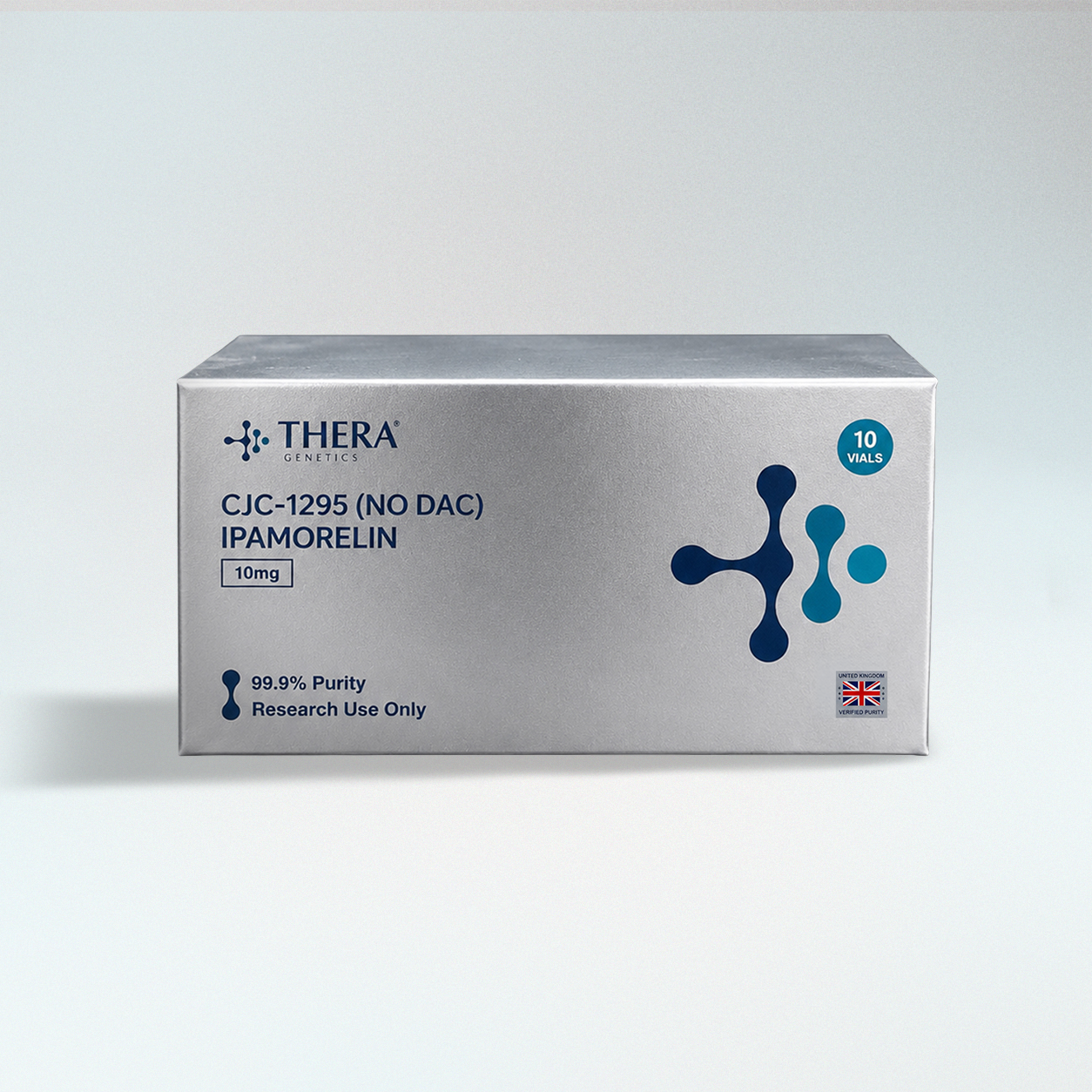
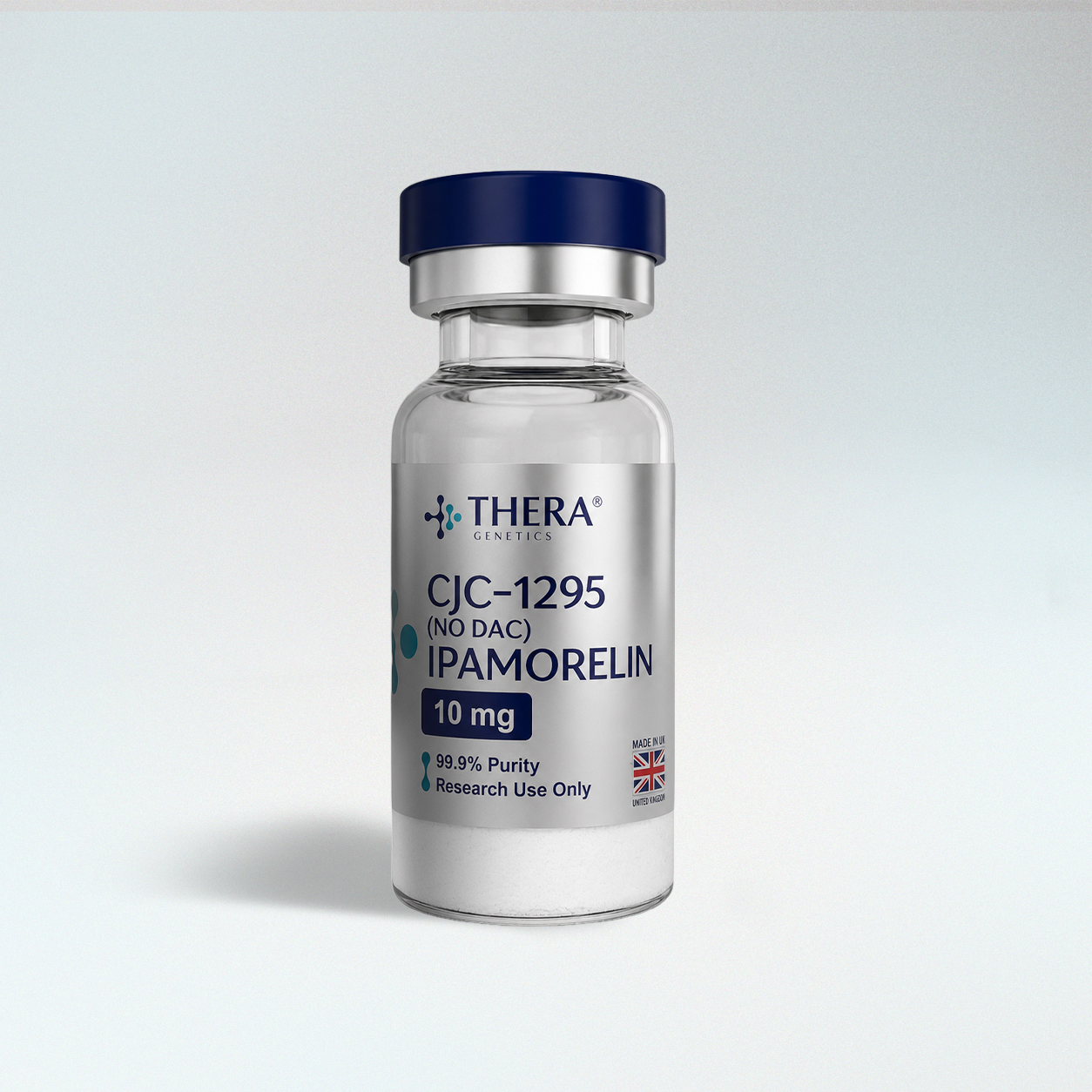
CJC-1295 (NO DAC) (5 mg) + Ipamorelin (5 mg) (10 X 10mg Vial)
A synergistic combination developed to stimulate the body’s natural release of growth hormone (GH) in a physiology-aligned way. By acting through two complementary pathways, it supports more consistent GH pulses and IGF-1 support, helping to sustain performance, recovery, and body composition.
Key Benefits
Stimulates the body’s own GH: helps the body release growth hormone in a pattern closer to natural physiology (in “pulses”).
Supports recovery and repair: may aid recovery (sleep, post-training, regeneration) by reinforcing GH/IGF-1–related signalling.
Body composition support: associated with a better balance between lean mass and fat, supporting body recomposition.
More efficient metabolism: may promote energy utilisation and support fat and protein metabolism.
Vitality and performance: many people seek a greater sense of energy and a steadier performance rhythm throughout the protocol.
SKU:
Tags:
A synergistic combination developed to stimulate the body’s natural release of growth hormone (GH) in a physiology-aligned way. By acting through two complementary pathways, it supports more consistent GH pulses and IGF-1 support, helping to sustain performance, recovery, and body composition.
Key Benefits
Stimulates the body’s own GH: helps the body release growth hormone in a pattern closer to natural physiology (in “pulses”).
Supports recovery and repair: may aid recovery (sleep, post-training, regeneration) by reinforcing GH/IGF-1–related signalling.
Body composition support: associated with a better balance between lean mass and fat, supporting body recomposition.
More efficient metabolism: may promote energy utilisation and support fat and protein metabolism.
Vitality and performance: many people seek a greater sense of energy and a steadier performance rhythm throughout the protocol.
Technical Details
Item Weight
Product Dimensions
Item model number
Item Package Quantity
Number of Handles
Batteries Required?
RECONSTITUTION, DOSING AND STORAGE OF PEPTIDES IN A VIAL
(General guidance – not peptide-specific)
1. INTRODUCTION
Peptides supplied in a vial (a glass vial containing lyophilised powder) are not ready for immediate use.
Before administration, it is mandatory to carry out reconstitution, which is the process of converting the lyophilised powder into a sterile liquid solution.
Correct reconstitution is essential to ensure:
Safe use
Peptide stability
Accurate dosing
Protocol effectiveness
⚠️ Incorrect preparation may result in inaccurate dosing and reduced effectiveness.
2. REQUIRED MATERIALS
Vial containing the lyophilised peptide
Bacteriostatic Water
Contains approximately 0.9% benzyl alcohol
Helps inhibit bacterial growth
Insulin syringe (100 units = 1 mL)
Sterile needle
Clean, hygienic environment
3. WHAT RECONSTITUTION IS
Reconstitution is the controlled addition of bacteriostatic water to the lyophilised powder, creating a liquid solution suitable for subcutaneous use.
4. GENERAL RULE FOR CALCULATING CONCENTRATION
Basic formula:
Amount of peptide (mg) ÷ Volume of water (mL) = Concentration (mg/mL)
This concentration is used to calculate the correct dose in the syringe.
5. CORRECT RECONSTITUTION TECHNIQUE
⚠️ IMPORTANT: PEPTIDES ARE FRAGILE MOLECULES
Recommended procedure:
- Draw the desired volume of bacteriostatic water into the syringe.
- Insert the needle into the vial.
- Allow the water to run slowly down the inner wall of the vial.
- Do not direct the stream straight onto the powder.
- Do not shake the vial.
Gently roll the vial between your fingers until fully dissolved.
**Vigorous shaking may cause peptide degradation.
6. CONVERSION FOR AN INSULIN SYRINGE
1 mL = 100 units
The amount of peptide per unit depends on the final concentration after reconstitution.
Always calculate dosing based on the concentration (mg/mL).
7. STORAGE AFTER RECONSTITUTION
Keep refrigerated between 2°C and 8°C
Do not freeze
Keep the vial tightly sealed
Protect from light, especially for photosensitive peptides
8. FINAL CONSIDERATIONS
- Always follow the correct preparation technique
- Use bacteriostatic water only
- Maintain strict accuracy in dose calculations
- Use should be carried out under professional supervision
Related Products
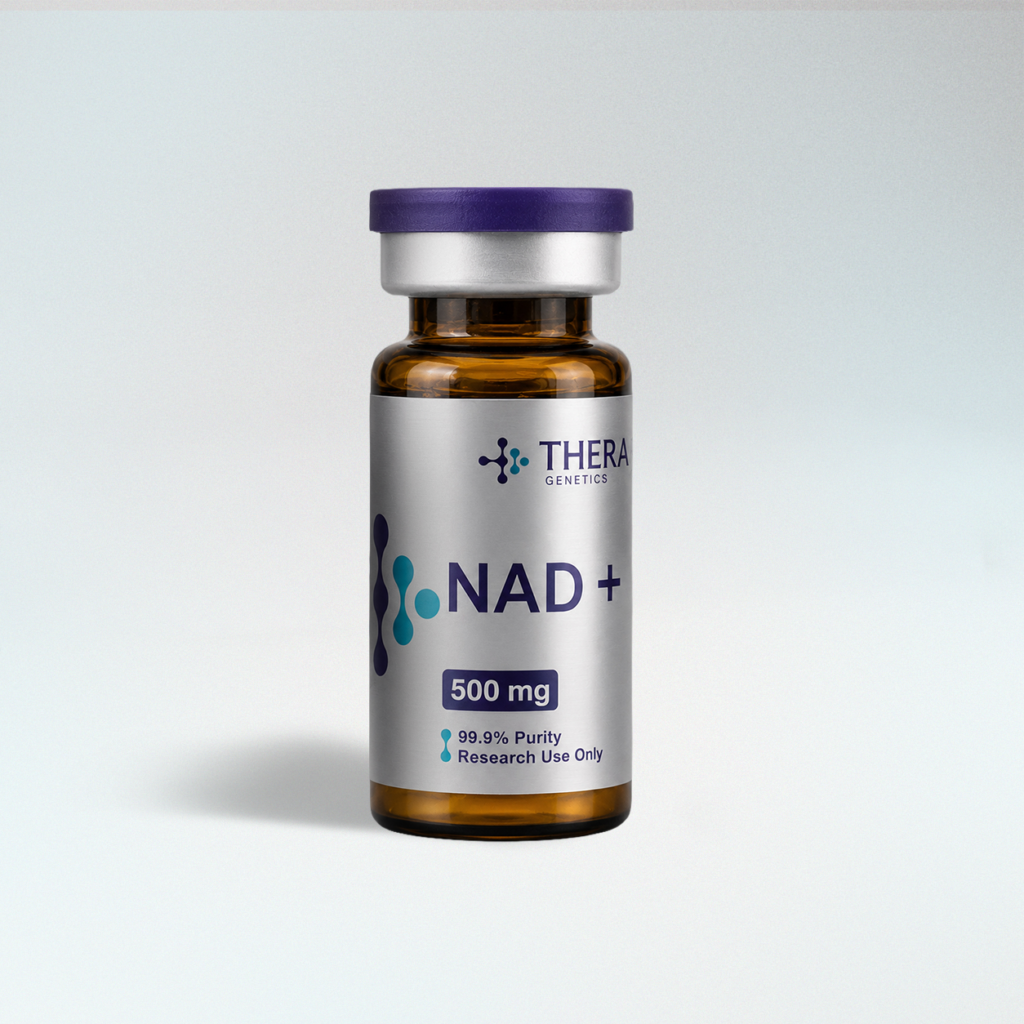
NAD+ (500mg)
NAD+ (nicotinamide adenine dinucleotide) is a naturally occurring coenzyme found in virtually every cell of the body. It plays a central role in cellular energy production, mitochondrial function, DNA repair, and cellular signaling. As we age, NAD+ availability tends to decline, which has driven growing scientific interest in its role in healthy aging, cellular resilience, and metabolic function.
Key Benefits
Cellular energy support, contributing to efficient mitochondrial function and energy production.
Support for cellular repair and maintenance, participating in processes involved in DNA repair and cellular homeostasis.
Mitochondrial function, helping support the systems responsible for maintaining cellular energy and resilience.
Cellular protection, contributing to the body’s response to oxidative stress and cellular damage.
Healthy aging support, supporting cellular function and resilience as part of advanced longevity and wellness protocols.
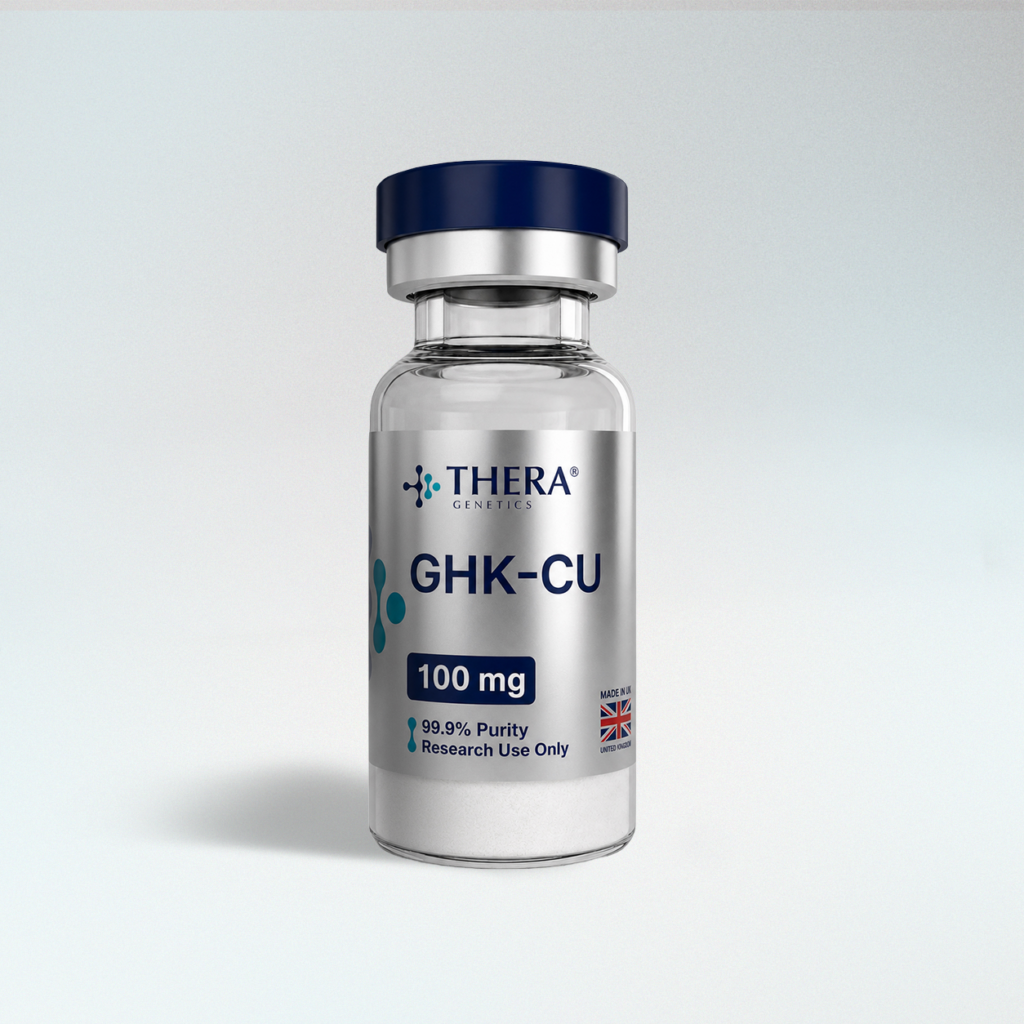
GHK-CU (100mg)
GHK-Cu is a bioactive complex formed by the tripeptide GHK bound to copper (II). It is a molecule naturally present in the body, known for supporting cellular renewal, tissue repair, and skin integrity. With age, its levels tend to decline, which has driven its use in advanced aesthetic and regenerative protocols.
Key Benefits
Firmer, more elastic, denser skin, with a more “filled” and healthy appearance.
Improved texture and radiance, with softening of fine lines and a more even look.
Support for skin repair and recovery, helping maintain cutaneous integrity after external stressors.
Cellular protection, helping regulate inflammatory processes and the impact of oxidative stress.
Overall improved skin quality, supporting a revitalised and rejuvenated appearance throughout the protocol.
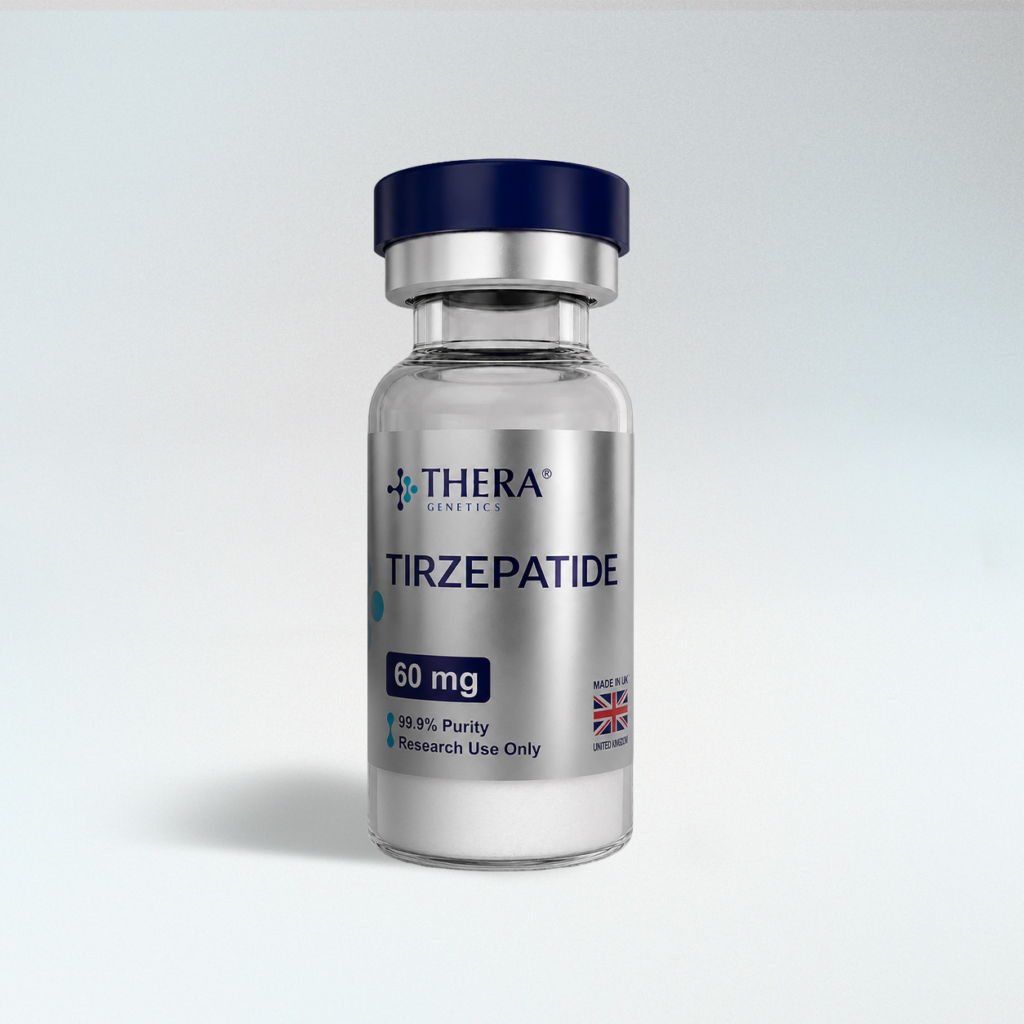
Tirzepatide (60mg)
Intelligent metabolic regulation for consistent weight loss.
Tirzepatide is a dual agonist of GIP and GLP-1 receptors, acting in an integrated way across incretin pathways.It increases insulin secretion in a glucose-dependent manner and improves glycaemic regulation (reducing peaks and variability).
It acts on appetite/satiety centres, helping to reduce food intake and supporting adherence to body recomposition strategies.
Key Benefits
- Significant reduction in body weight in studies involving people with obesity/overweight (results depend on dose, duration, and adherence).
- Robust improvement in glycaemic control (HbA1c) in people with type 2 diabetes, with dose-dependent reductions observed in clinical trials.
- Cardiometabolic improvements associated with weight loss and incretin pathway activity.
- Maintenance of weight loss with continued treatment, demonstrating sustained outcomes when use is maintained within protocol (in maintenance trials).
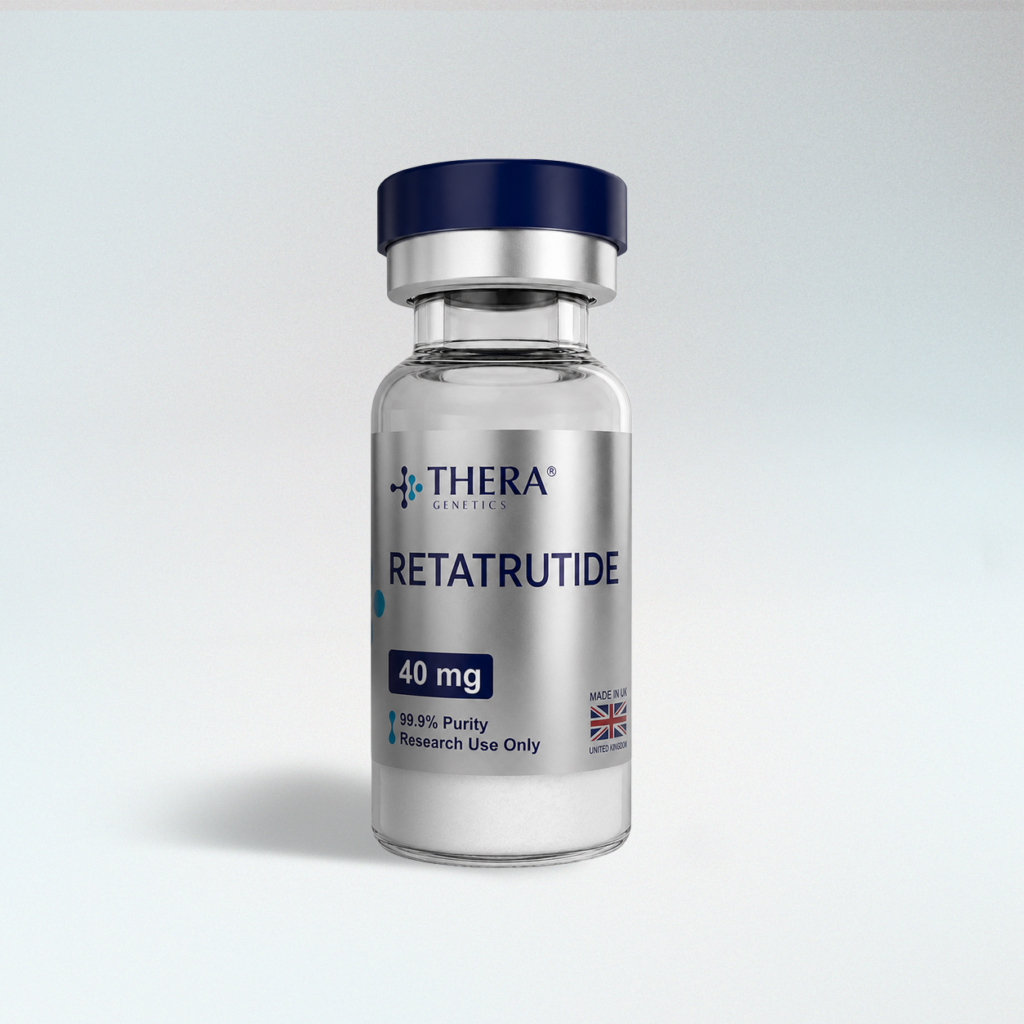
Retatrutide (40mg)
Mechanism of Action
Retatrutide is a triple agonist of GLP-1, GIP, and glucagon receptors. This combination works in an integrated manner to reduce appetite and increase satiety, improve glycaemic homeostasis, and promote greater energy expenditure/thermogenesis via activity at the glucagon receptor.
Key Benefits
– Marked reduction in body weight in clinical studies, with high-impact results in obesity.
– Improved glycaemic control and cardiometabolic markers (e.g., inflammatory lipids and blood pressure reported in readouts).
– Reduction in liver fat and improvements associated with metabolic liver disease (MASLD/MASH) in a Phase 2a study.
– Quality of weight loss (body composition): evidence suggests a greater reduction in fat mass, without a disproportionate increase in lean mass loss, in body-composition sub-studies.
– Tolerability profile consistent with the incretin class, with gastrointestinal events most commonly reported in studies (e.g., nausea, diarrhoea, and constipation).
