Our Products
Categories
Tags
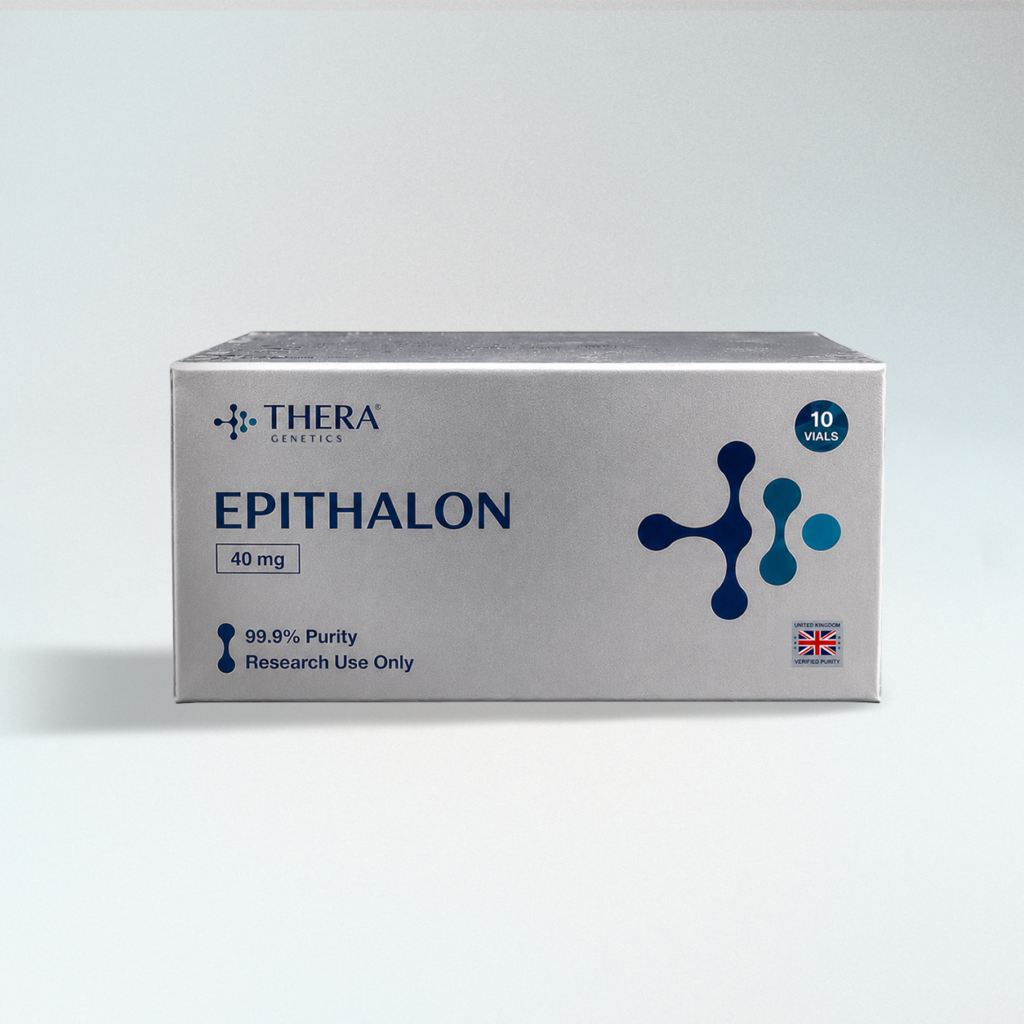
Epithalon (10 X 40mg Vial)
A synthetic peptide composed of four amino acids (Ala–Glu–Asp–Gly).
It “resets” the cellular biological clock and synchronises the pineal gland to restore the circadian cycle and the rhythmic secretion of melatonin.
It is used in protocols focused on systemic rejuvenation, the management of sleep disorders and jet lag, immune system support in older adults, and the prevention of cognitive decline.
Key Benefits
Telomere extension: by activating telomerase, it may allow cells to divide for longer, helping to counter cellular senescence.
Circadian rhythm regulation: supports natural melatonin production by the pineal gland, resulting in better sleep quality.
Antioxidant action: reduces lipid oxidation and helps counter free radicals.
Metabolic health: studies suggest improvements in insulin sensitivity and lipid profile.
Prevention of age-related diseases: potential to reduce the incidence of tumours and neurodegenerative diseases.
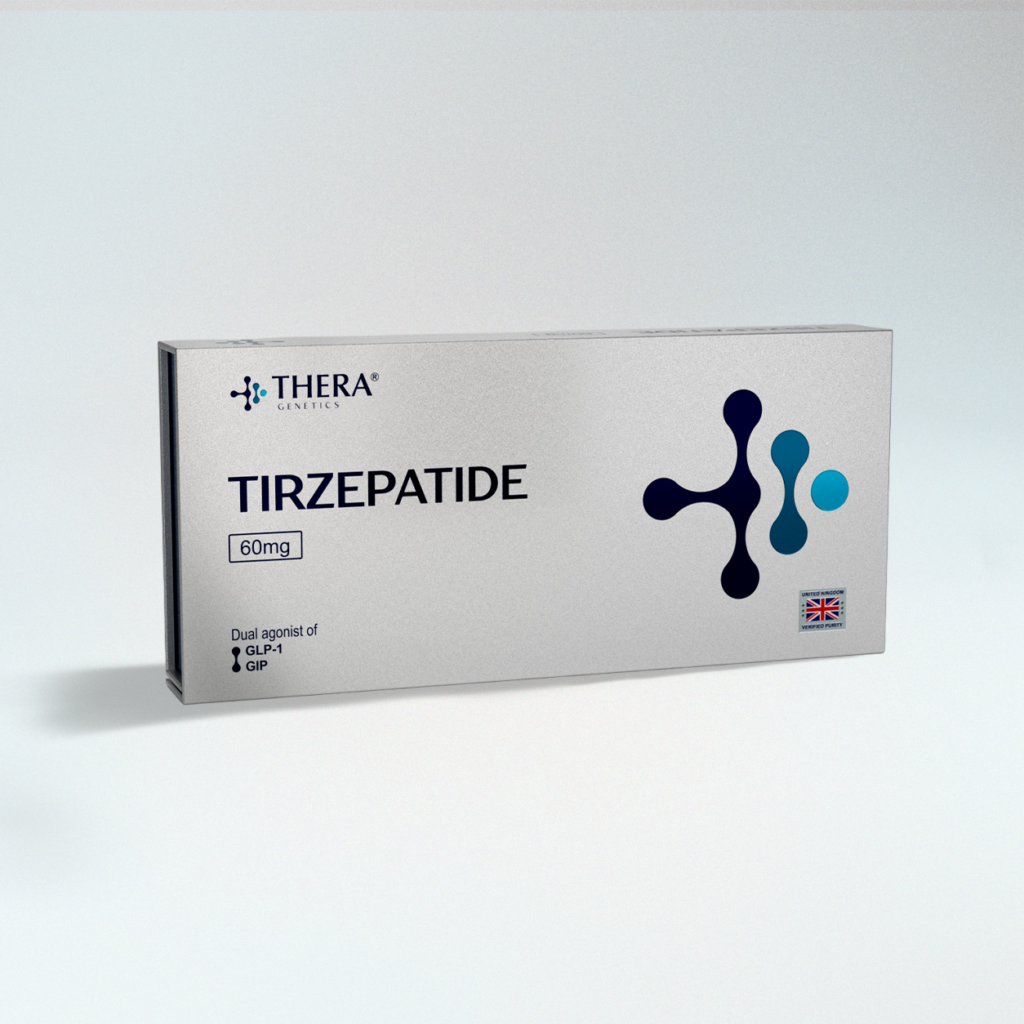
Tirzepatide (60mg)
Intelligent metabolic regulation for consistent weight loss.
Tirzepatide is a dual agonist of GIP and GLP-1 receptors, acting in an integrated way across incretin pathways.It increases insulin secretion in a glucose-dependent manner and improves glycaemic regulation (reducing peaks and variability).
It acts on appetite/satiety centres, helping to reduce food intake and supporting adherence to body recomposition strategies.
Key Benefits
- Significant reduction in body weight in studies involving people with obesity/overweight (results depend on dose, duration, and adherence).
- Robust improvement in glycaemic control (HbA1c) in people with type 2 diabetes, with dose-dependent reductions observed in clinical trials.
- Cardiometabolic improvements associated with weight loss and incretin pathway activity.
- Maintenance of weight loss with continued treatment, demonstrating sustained outcomes when use is maintained within protocol (in maintenance trials).
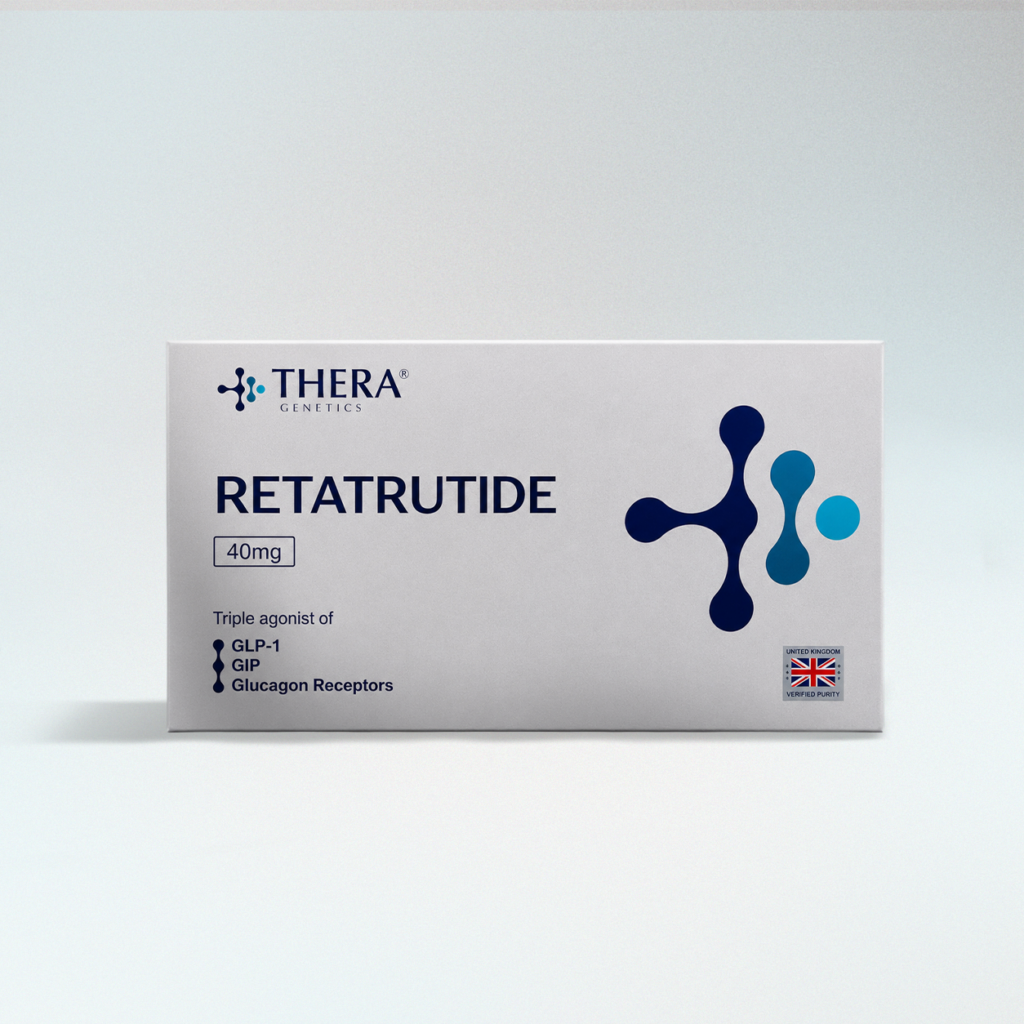
Retatrutide (40mg)
Mechanism of Action
Retatrutide is a triple agonist of GLP-1, GIP, and glucagon receptors. This combination works in an integrated manner to reduce appetite and increase satiety, improve glycaemic homeostasis, and promote greater energy expenditure/thermogenesis via activity at the glucagon receptor.
Key Benefits
– Marked reduction in body weight in clinical studies, with high-impact results in obesity.
– Improved glycaemic control and cardiometabolic markers (e.g., inflammatory lipids and blood pressure reported in readouts).
– Reduction in liver fat and improvements associated with metabolic liver disease (MASLD/MASH) in a Phase 2a study.
– Quality of weight loss (body composition): evidence suggests a greater reduction in fat mass, without a disproportionate increase in lean mass loss, in body-composition sub-studies.
– Tolerability profile consistent with the incretin class, with gastrointestinal events most commonly reported in studies (e.g., nausea, diarrhoea, and constipation).
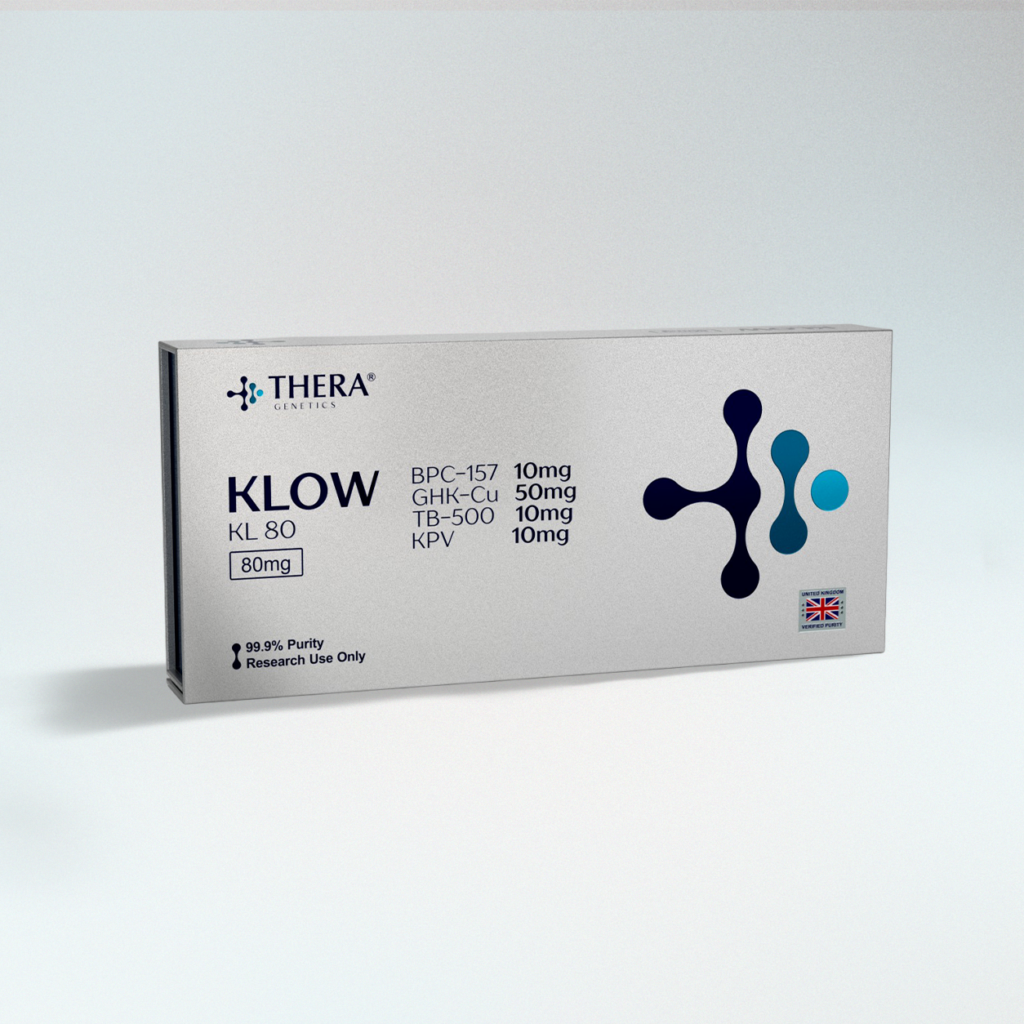
KLOW KL 80 (80MG)
KLOW is ideal for body transformation protocols because it is a bioengineered blend for systemic support, combining four peptides with complementary functions in body recomposition, recovery, and inflammatory modulation.
KPV: modulation of inflammatory pathways (inhibition of NF-κB).
BPC-157: support for repair processes and angiogenesis.
TB-500: associated with cell migration and tissue recovery.
GHK-Cu: modulation of gene expression linked to the extracellular matrix and cellular recovery.
Together, KLOW was designed to promote a more stable biological environment during phases of high metabolic demand, reducing inflammatory “noise” and supporting consistency in body recomposition.
Key Benefits
– Helps reduce inflammation that can compromise results
– Supports body recovery, including tissues and performance
– Supports gut function and absorption, which underpin process consistency
– Promotes a “cleaner” metabolic environment during recomposition
– Greater resilience and energy throughout the protocol
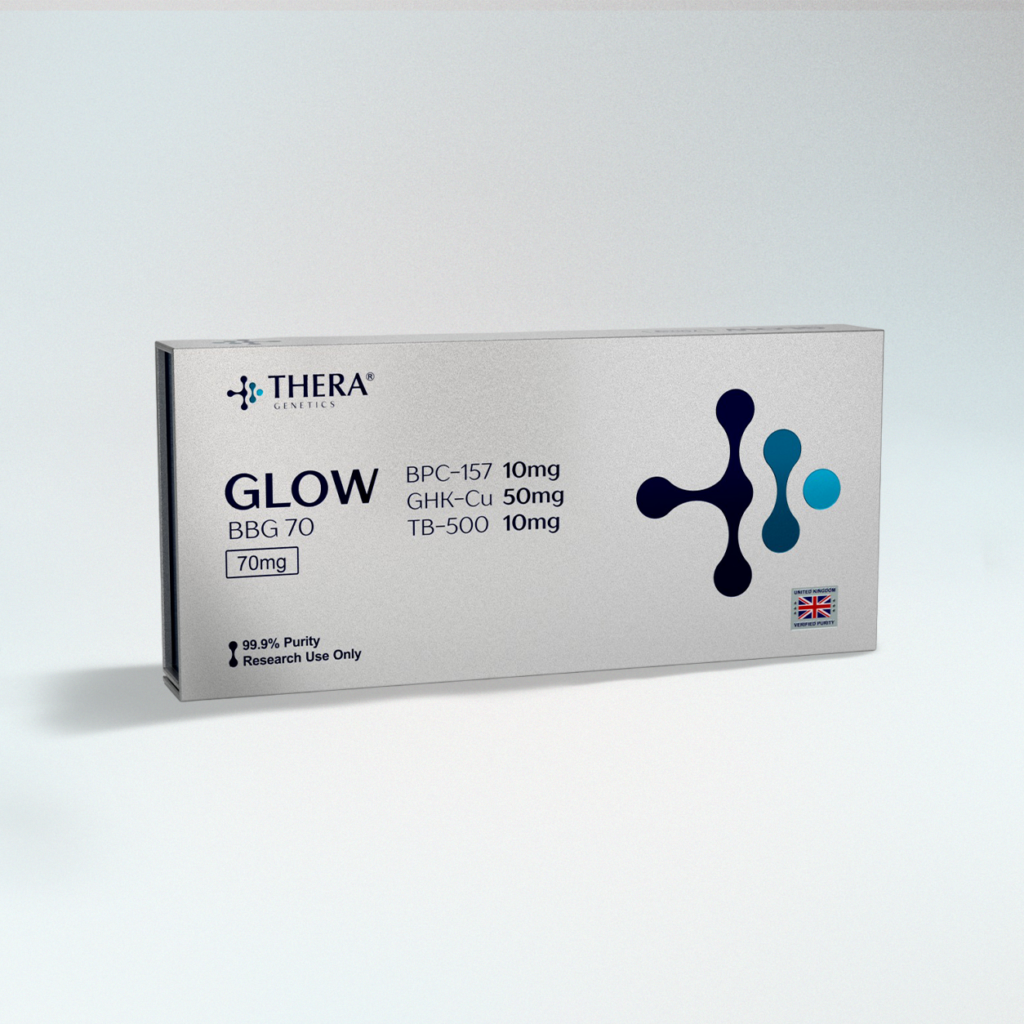
GLOW BBG 70 (70mg)
GLOW 70 is the “finishing touch for those who are already lean” — a blend developed for the post–body transformation phase, focused on improving skin quality, firmness, and density, reducing the appearance of “loose/empty skin” and promoting a more even, rejuvenated look.
Its action is centred on remodelling the Extracellular Matrix (ECM): high-concentration GHK-Cu is associated with modulation of gene expression linked to collagen and elastin; TB-500 with cell migration and skin renewal; and BPC-157 with support for microcirculation and the reparative response.
In well-designed protocols, the result is an aesthetic finish with greater structure, elasticity, and radiance.
Key Benefits
– Firmer, more radiant skin
– Visibly more youthful appearance
– Restored elasticity (a “more filled” skin feel)
– proved dermal density and a more even texture
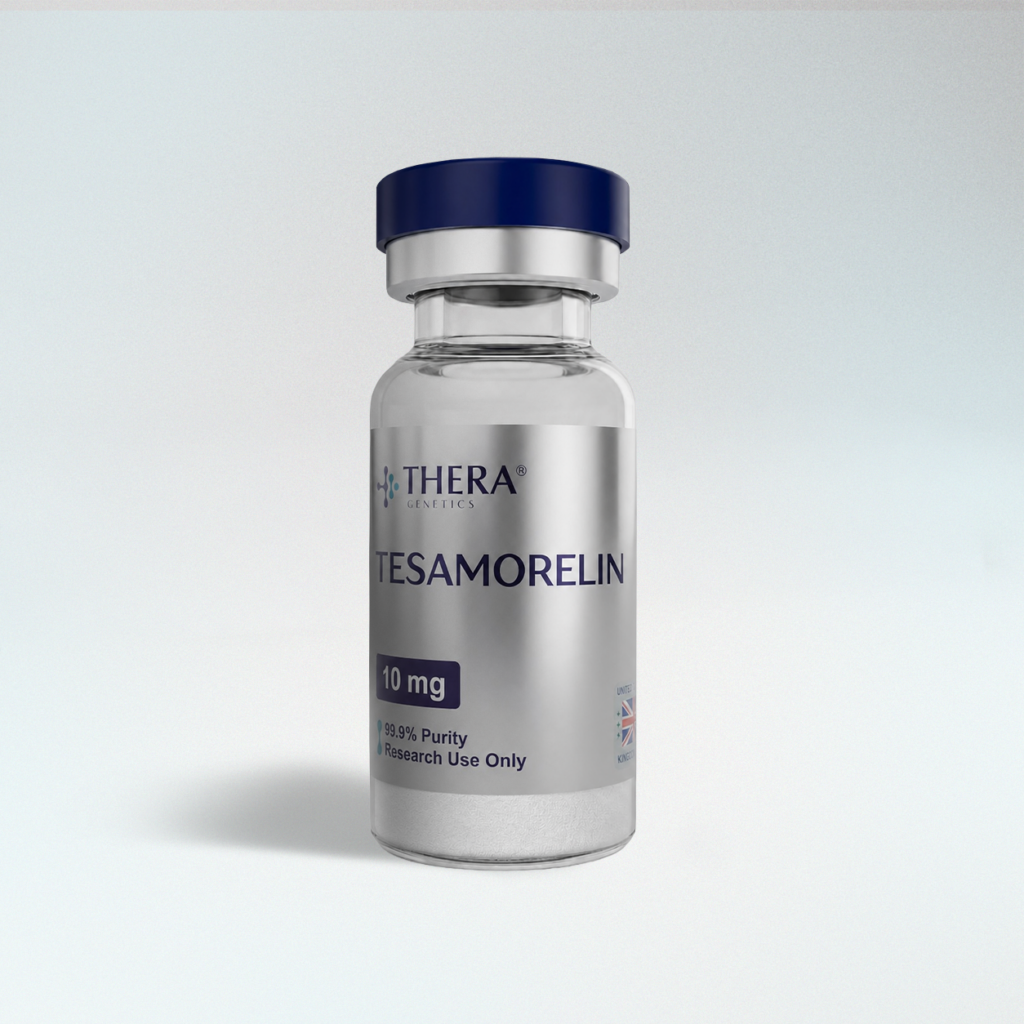
Tesamorelin (10mg Vial)
Less visceral fat, more definition.
Tesamorelin is a synthetic 44–amino acid peptide, an analogue of GHRH, with an N-terminal modification for improved stability. In studies, it acts on GHRH receptors in the anterior pituitary, stimulating endogenous release of growth hormone (GH) and increasing IGF-1 systemically and also locally in various tissues, with effects investigated in metabolism and body composition.
Key Benefits
- Advanced support for reducing visceral fat
- Optimisation of body recomposition
- Improved metabolic efficiency and energy levels
- Support for tissue recovery and physiological performance
- Strong alignment with healthy ageing strategies
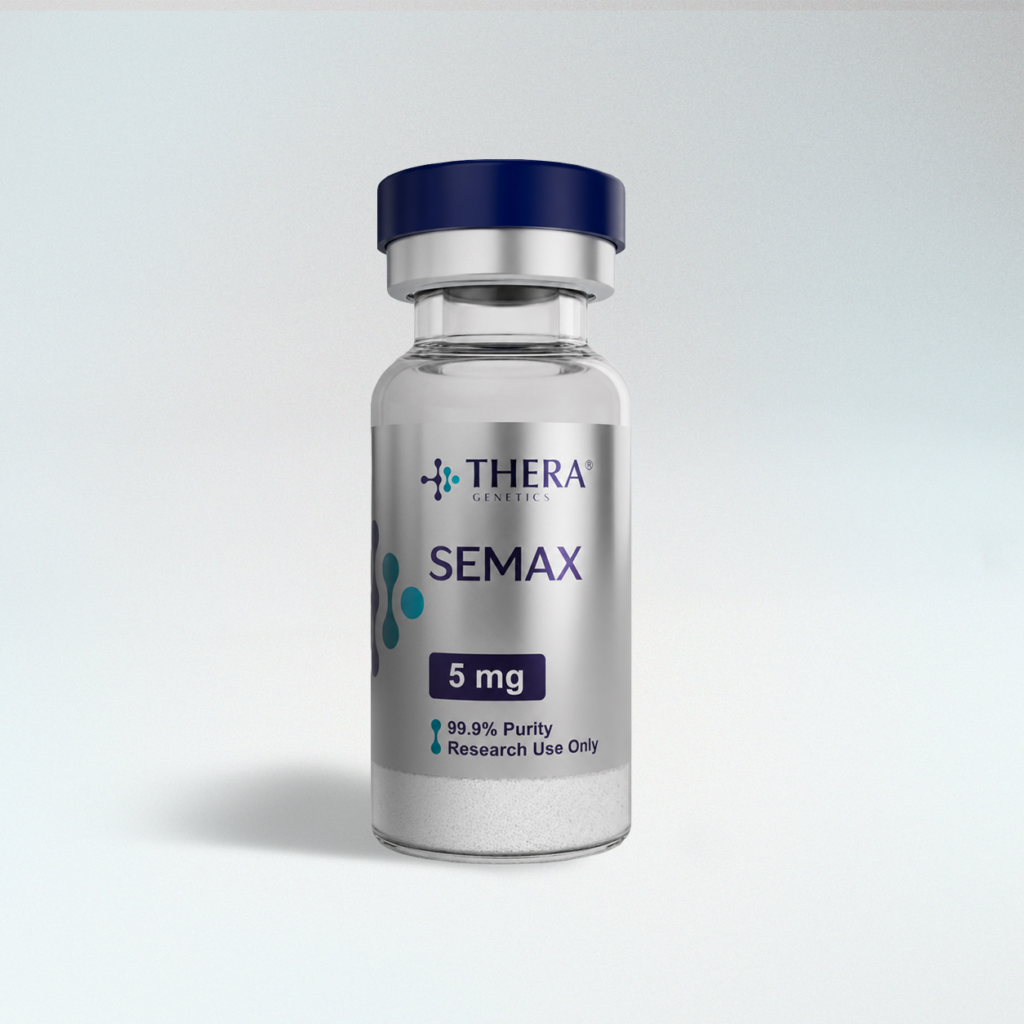
Semax (5mg Vial)
Semax is a peptide studied for its broad activity in the brain, supporting mental performance and neuronal protection:
Enhanced focus and memory: increases memory retention and concentration capacity, ideal for high mental performance.
Advanced neuroprotection: helps protect neurones against oxidative stress and ischaemic damage, supporting long-term brain health.
BDNF support: stimulates the production of BDNF (Brain-Derived Neurotrophic Factor), essential for synaptic plasticity.
Key Benefits
Focus and mental clarity during intense, high-demand routines.
More stable mood and motivation (support for mental “drive”).
Memory and learning (support for cognitive performance).
Mental resilience during periods of stress and fatigue.
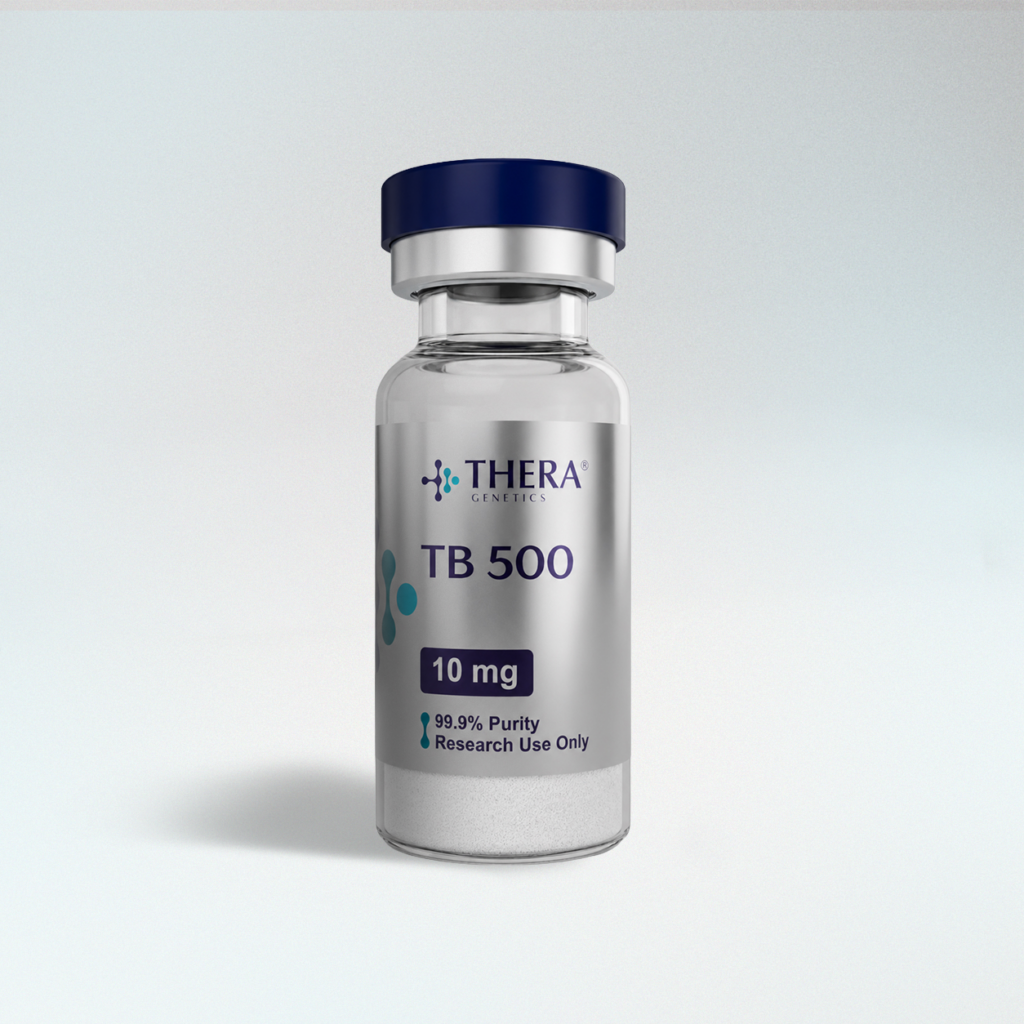
TB-500 (10mg Vial)
Accelerated muscle recovery
TB-500 stands out in modern regenerative medicine as a high-performance healing facilitator. Its main advantage is its ability to accelerate processes the body would naturally take months to complete.
Key Benefits
Promotes regeneration of muscle tissue, tendons, and ligaments, including in areas with low blood flow.
Reduces systemic and local inflammation, contributing to less pain and stiffness.
Increases flexibility and helps prevent fibrous scar tissue formation, supporting mobility.
Stimulates angiogenesis, increasing the supply of oxygen and nutrients to tissues.
Acts systemically, reaching multiple sites of injury and inflammation throughout the body.
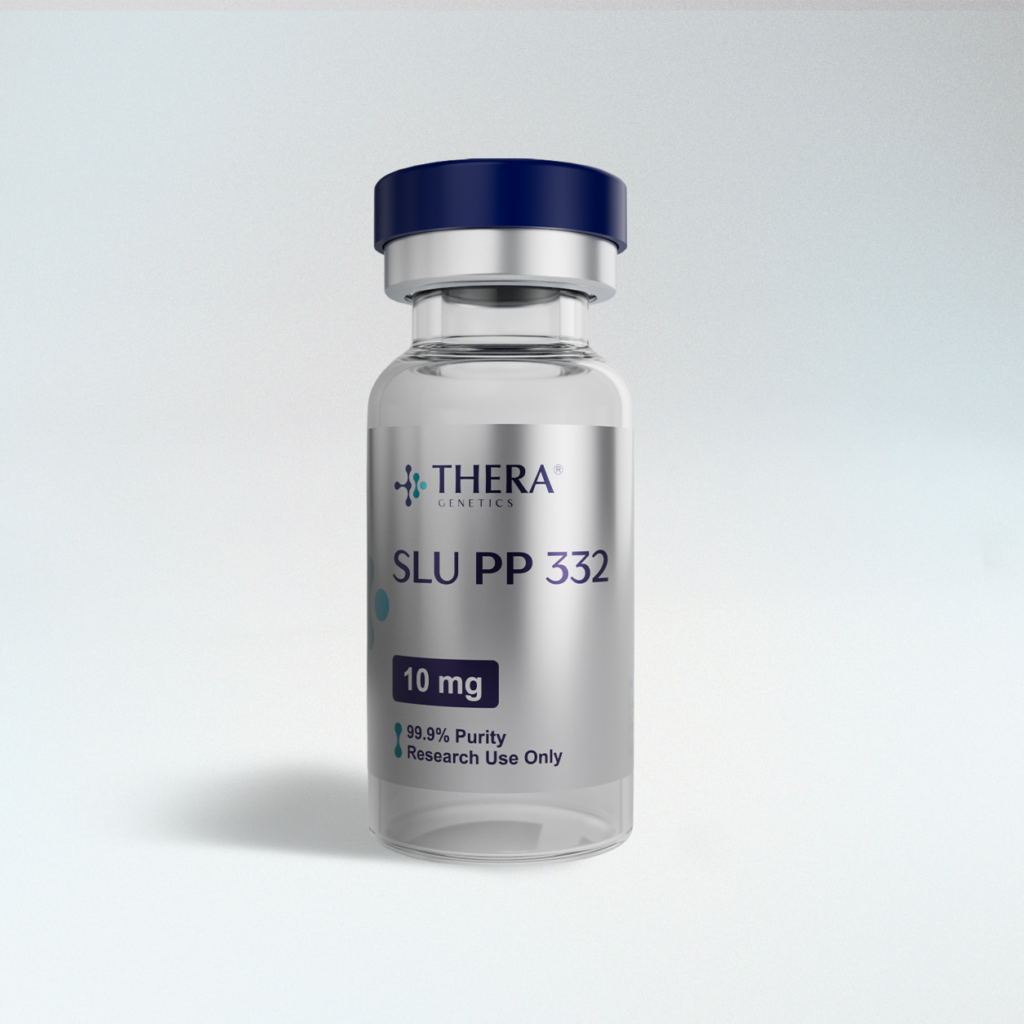
SLU-PP-332 (10mg Vial)
SLU-PP-332 activates “switches” inside cells that help the body produce and use energy more efficiently. It stimulates mitochondria (the body’s “power plants”), encourages the use of fat as fuel, and may make metabolism more active—especially in high energy–demand tissues such as muscle.
Key Benefits
More cellular energy: helps the body’s “power plants” (mitochondria) work more efficiently.
Greater use of fat as fuel: supports the body in using fat as an energy source.
More active metabolism: may increase daily energy expenditure without acting directly on appetite.
Metabolic adaptation: triggers signals in the body similar to periods of high energy demand (as if the body is in “performance mode”).
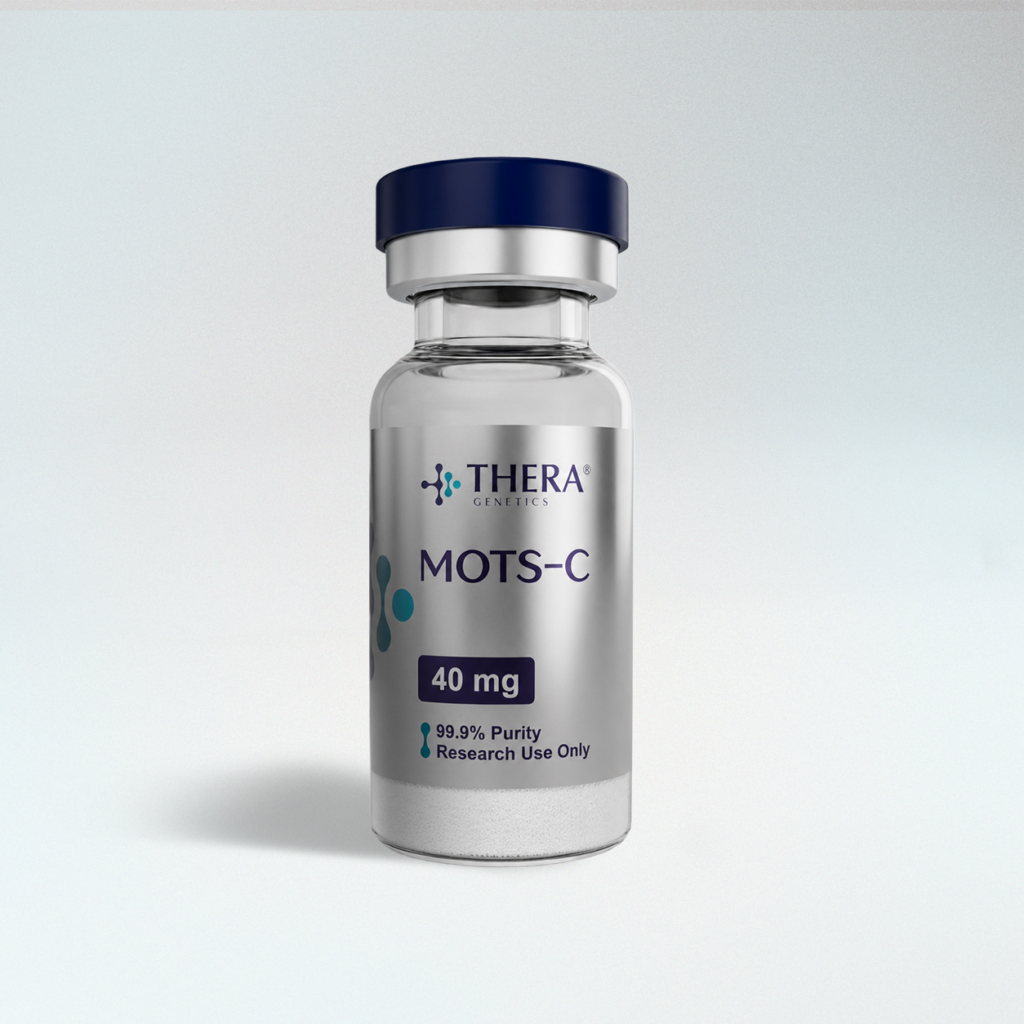
MOTS-C (40 mg Vial)
MOTS-c is a peptide produced by the mitochondrion (the cell’s “energy plant”). It is being studied for helping the body use energy more efficiently, by stimulating a pathway similar to the one activated by exercise and by metformin. As a result, it may support the use of fat for energy and improve the way muscles take up sugar (glucose).
Key Benefits
Insulin sensitivity: significantly improves how the body processes sugar, helping to counter insulin resistance.
Weight management: supports fat oxidation and may help prevent weight gain caused by high-fat diets.
Physical performance: increases endurance capacity and mitochondrial biogenesis (the creation of new cellular “power plants”).
Longevity and anti-ageing: its replenishment is associated with protection against degenerative diseases.
Bone health: studies suggest it may help prevent osteoporosis by promoting osteoblast differentiation.
