Our Products
Categories
Tags
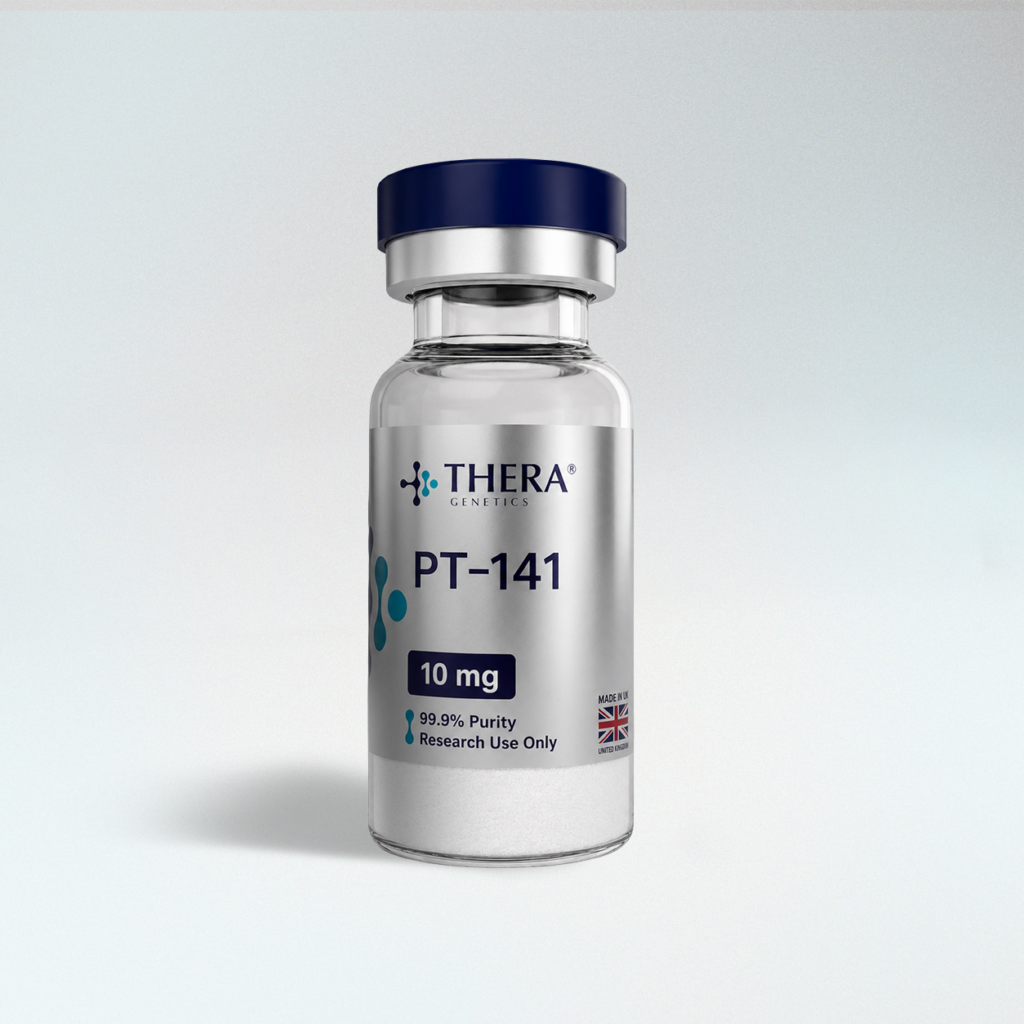
PT-141 (10mg Vial)
PT-141 (bremelanotide) is an agonist of melanocortin receptors (MC3R/MC4R), with central activity in the hypothalamus—an area linked to sexual desire and appetite regulation.
It activates sexual arousal circuits in the central nervous system, differing from approaches focused only on vasodilation/perfusion.
Key Benefits
Erectile dysfunction (ED): effective in men who do not respond well to PDE5 inhibitors (e.g., Viagra/Cialis).
Improves sexual desire in both men and women.
Provides a significant increase in libido and physical response within a short period after administration.
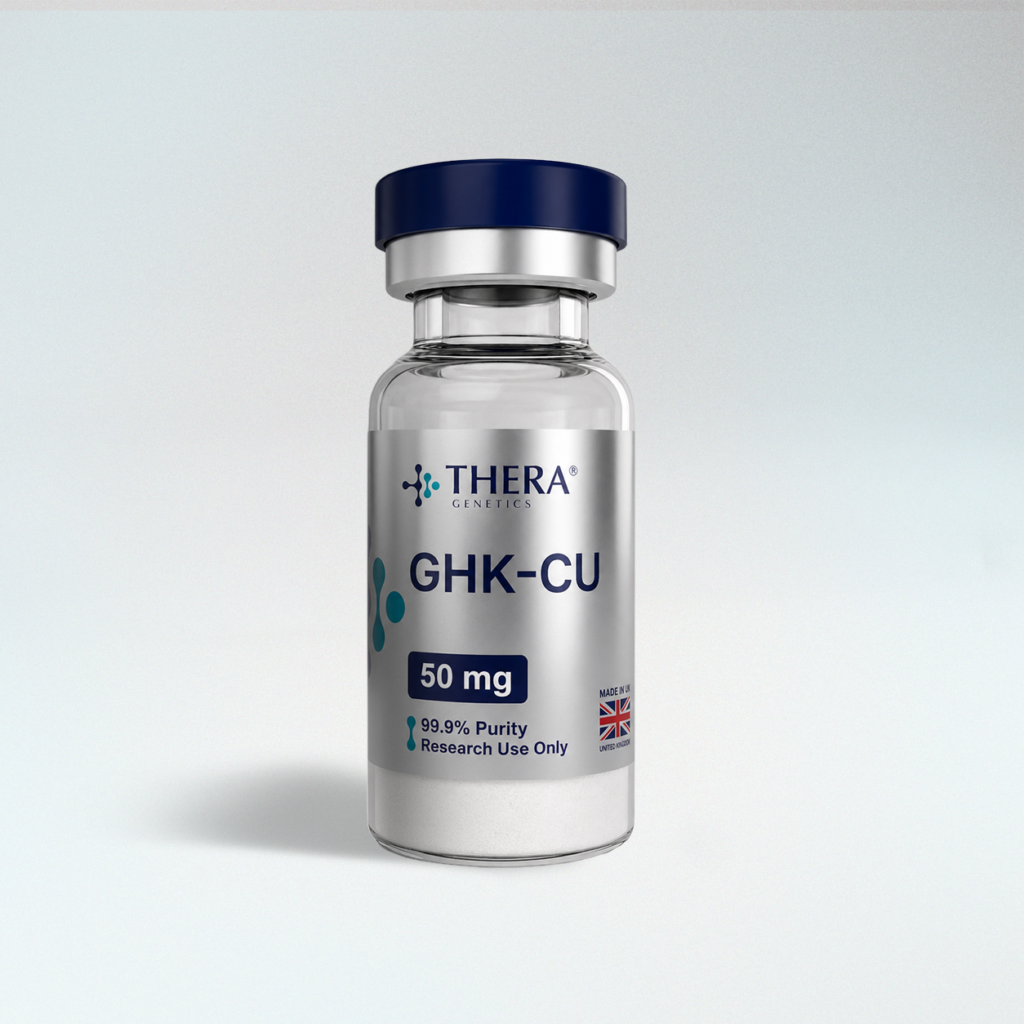
GHK-CU (50mg Vial)
GHK-Cu is a bioactive complex formed by the tripeptide GHK bound to copper (II). It is a molecule naturally present in the body, known for supporting cellular renewal, tissue repair, and skin integrity. With age, its levels tend to decline, which has driven its use in advanced aesthetic and regenerative protocols.
Key Benefits
Firmer, more elastic, denser skin, with a more “filled” and healthy appearance.
Improved texture and radiance, with softening of fine lines and a more even look.
Support for skin repair and recovery, helping maintain cutaneous integrity after external stressors.
Cellular protection, helping regulate inflammatory processes and the impact of oxidative stress.
Overall improved skin quality, supporting a revitalised and rejuvenated appearance throughout the protocol.
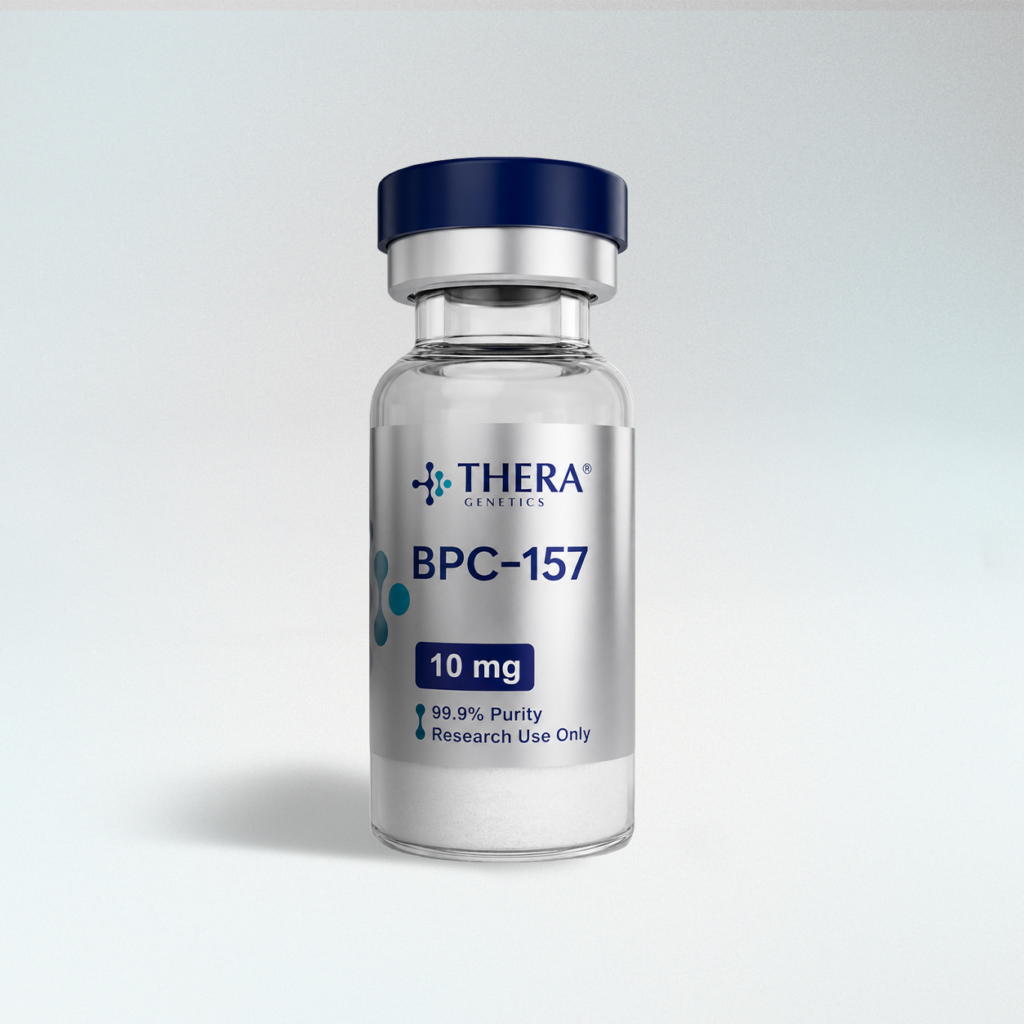
BPC-157 (10mg Vial)
A peptide that acts like a “site foreman”. It organises the repair process, improves cellular communication (cell signalling), and helps ensure the “materials” (collagen) are laid down correctly. It is particularly supportive for the structural integrity of tendons and ligaments.
BPC-157 is often referred to as “the healing peptide” due to its ability to accelerate processes the body would otherwise take months to complete naturally.
Key Benefits
Accelerated regeneration: supports recovery of tendons, ligaments, and muscle tissue, promoting more functional healing and potentially reducing the risk of fibrosis.
Anti-inflammatory action: helps modulate inflammation, with potential systemic effects in acute and chronic processes.
Gut health (cytoprotection): supports protection and regeneration of the gastric and intestinal mucosa; literature has investigated ulcers and intestinal inflammation.
Angiogenesis: may stimulate new blood vessel formation, improving circulation, nutrient delivery, and tissue recovery.
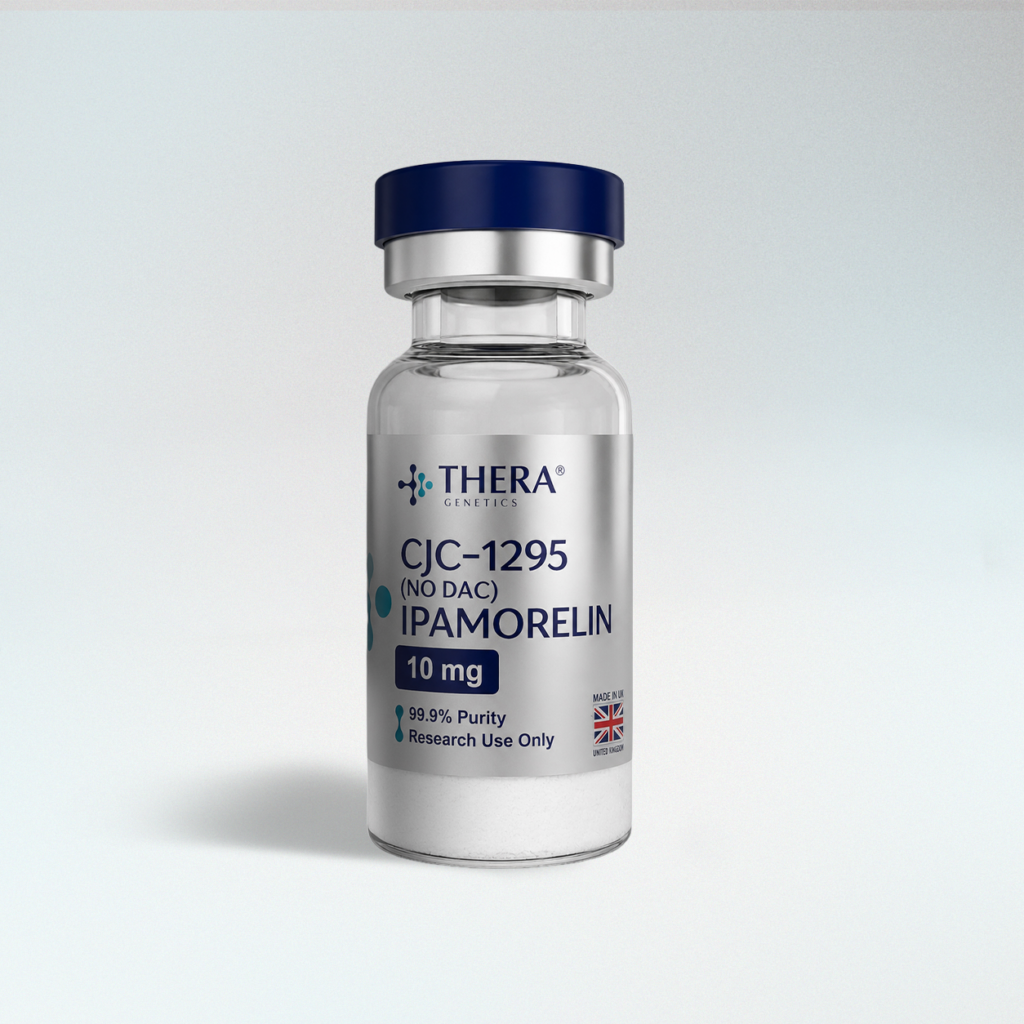
CJC-1295 (NO DAC) (5 mg) + Ipamorelin (5 mg)
A synergistic combination developed to stimulate the body’s natural release of growth hormone (GH) in a physiology-aligned way. By acting through two complementary pathways, it supports more consistent GH pulses and IGF-1 support, helping to sustain performance, recovery, and body composition.
Key Benefits
Stimulates the body’s own GH: helps the body release growth hormone in a pattern closer to natural physiology (in “pulses”).
Supports recovery and repair: may aid recovery (sleep, post-training, regeneration) by reinforcing GH/IGF-1–related signalling.
Body composition support: associated with a better balance between lean mass and fat, supporting body recomposition.
More efficient metabolism: may promote energy utilisation and support fat and protein metabolism.
Vitality and performance: many people seek a greater sense of energy and a steadier performance rhythm throughout the protocol.
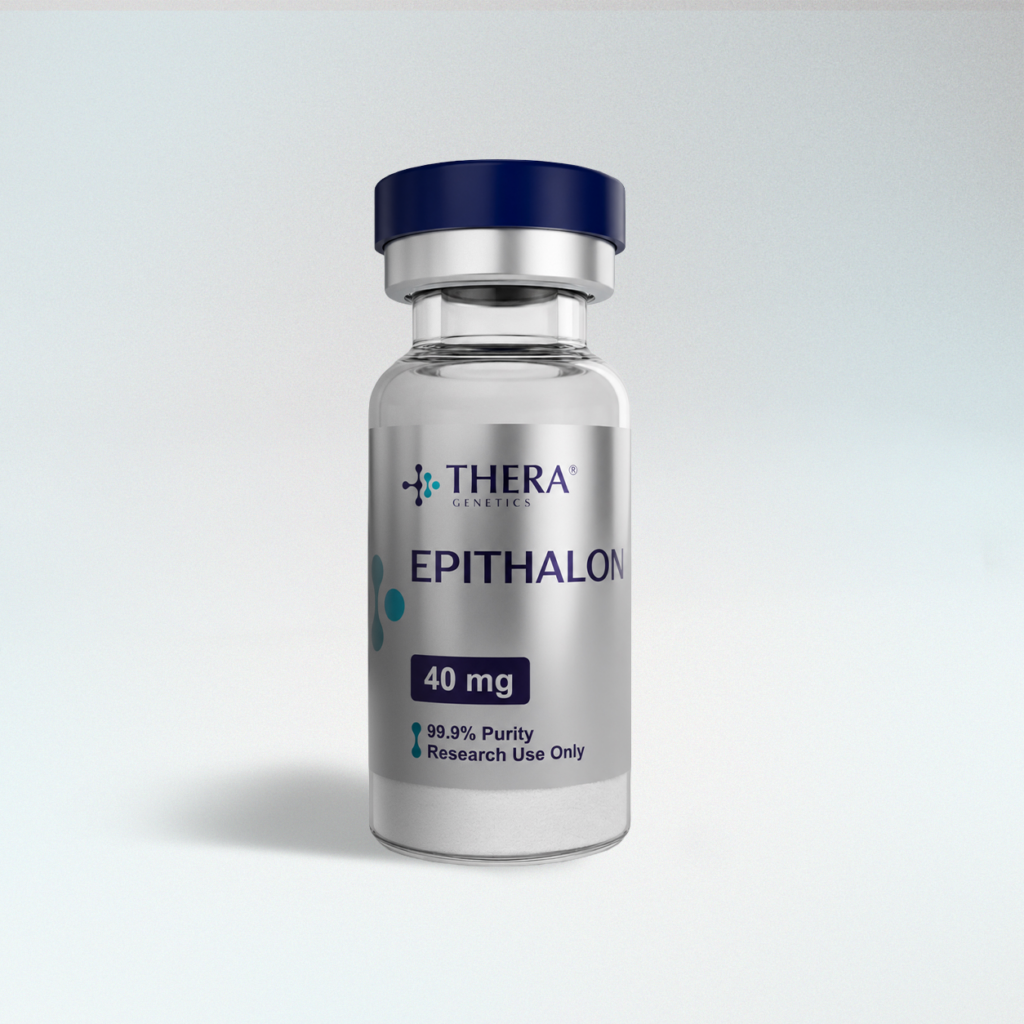
Epithalon (40mg Vial)
A synthetic peptide composed of four amino acids (Ala–Glu–Asp–Gly).
It “resets” the cellular biological clock and synchronises the pineal gland to restore the circadian cycle and the rhythmic secretion of melatonin.
It is used in protocols focused on systemic rejuvenation, the management of sleep disorders and jet lag, immune system support in older adults, and the prevention of cognitive decline.
Key Benefits
Telomere extension: by activating telomerase, it may allow cells to divide for longer, helping to counter cellular senescence.
Circadian rhythm regulation: supports natural melatonin production by the pineal gland, resulting in better sleep quality.
Antioxidant action: reduces lipid oxidation and helps counter free radicals.
Metabolic health: studies suggest improvements in insulin sensitivity and lipid profile.
Prevention of age-related diseases: potential to reduce the incidence of tumours and neurodegenerative diseases.
