Our Products
Categories
Tags

TB-500 (10mg Vial)
Accelerated muscle recovery
TB-500 stands out in modern regenerative medicine as a high-performance healing facilitator. Its main advantage is its ability to accelerate processes the body would naturally take months to complete.
Key Benefits
Promotes regeneration of muscle tissue, tendons, and ligaments, including in areas with low blood flow.
Reduces systemic and local inflammation, contributing to less pain and stiffness.
Increases flexibility and helps prevent fibrous scar tissue formation, supporting mobility.
Stimulates angiogenesis, increasing the supply of oxygen and nutrients to tissues.
Acts systemically, reaching multiple sites of injury and inflammation throughout the body.
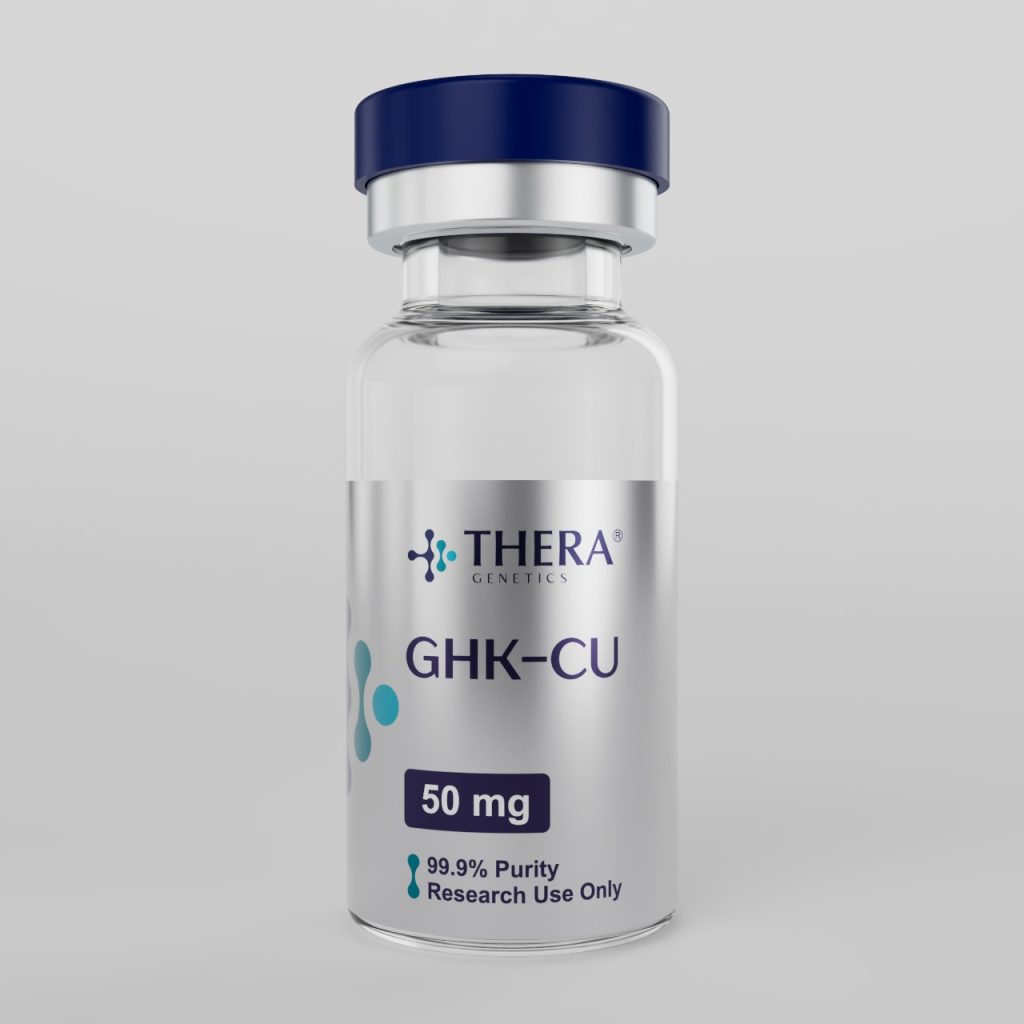
GHK-Cu (50mg Vial)
GHK-Cu is a bioactive complex formed by the tripeptide GHK bound to copper (II). It is a molecule naturally present in the body, known for supporting cellular renewal, tissue repair, and skin integrity. With age, its levels tend to decline, which has driven its use in advanced aesthetic and regenerative protocols.
Key Benefits
Firmer, more elastic, denser skin, with a more “filled” and healthy appearance.
Improved texture and radiance, with softening of fine lines and a more even look.
Support for skin repair and recovery, helping maintain cutaneous integrity after external stressors.
Cellular protection, helping regulate inflammatory processes and the impact of oxidative stress.
Overall improved skin quality, supporting a revitalised and rejuvenated appearance throughout the protocol.
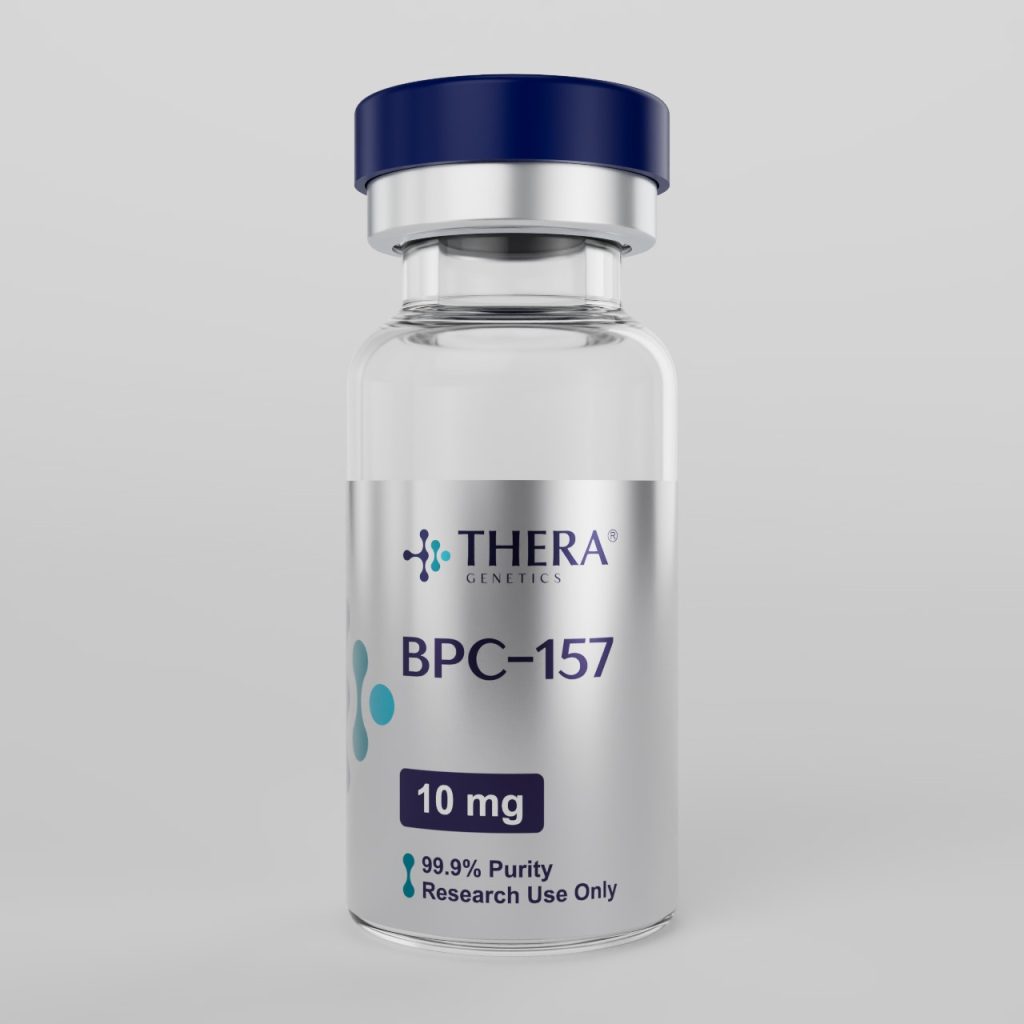
BPC-157 (10mg Vial)
A peptide that acts like a “site foreman”. It organises the repair process, improves cellular communication (cell signalling), and helps ensure the “materials” (collagen) are laid down correctly. It is particularly supportive for the structural integrity of tendons and ligaments.
BPC-157 is often referred to as “the healing peptide” due to its ability to accelerate processes the body would otherwise take months to complete naturally.
Key Benefits
Accelerated regeneration: supports recovery of tendons, ligaments, and muscle tissue, promoting more functional healing and potentially reducing the risk of fibrosis.
Anti-inflammatory action: helps modulate inflammation, with potential systemic effects in acute and chronic processes.
Gut health (cytoprotection): supports protection and regeneration of the gastric and intestinal mucosa; literature has investigated ulcers and intestinal inflammation.
Angiogenesis: may stimulate new blood vessel formation, improving circulation, nutrient delivery, and tissue recovery.
