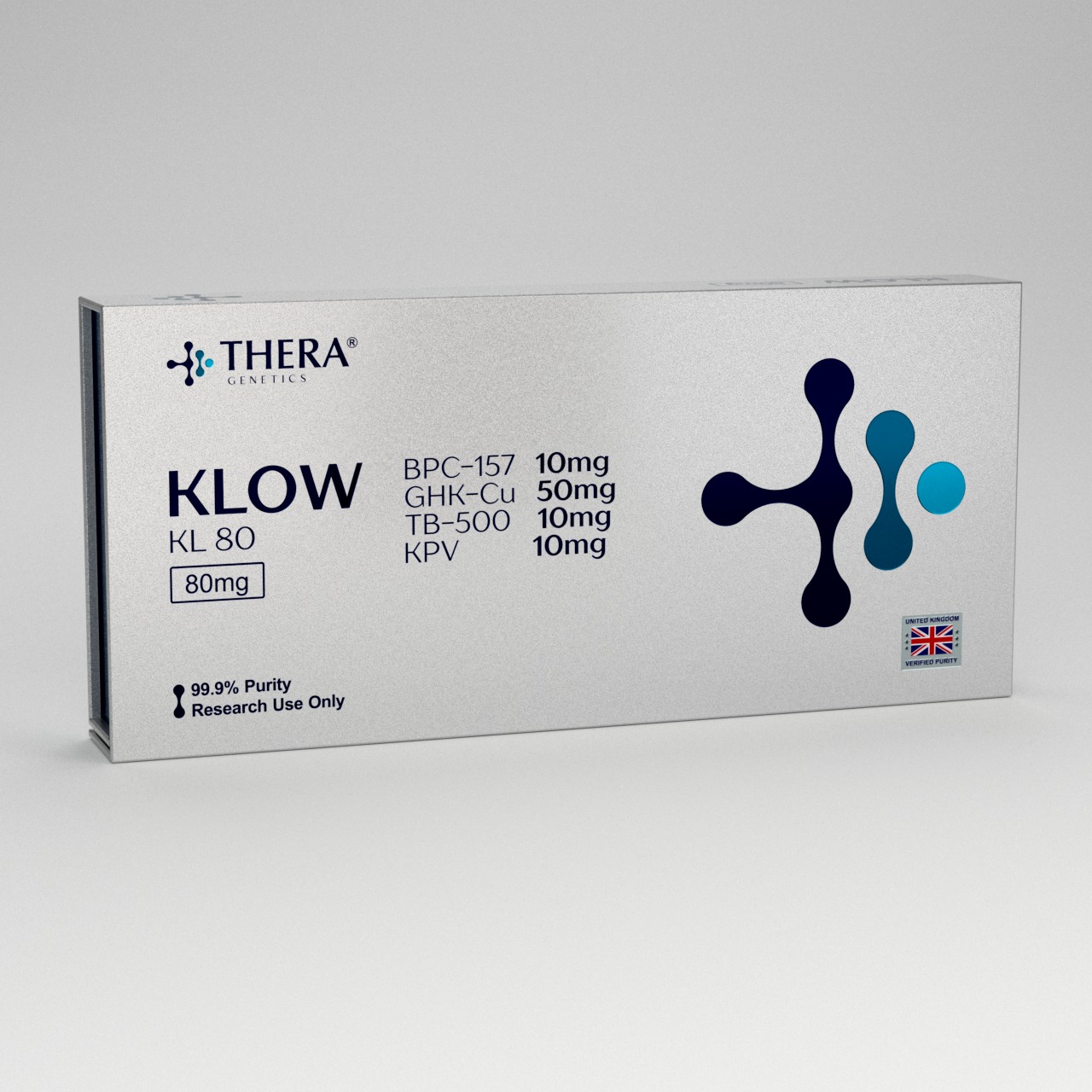
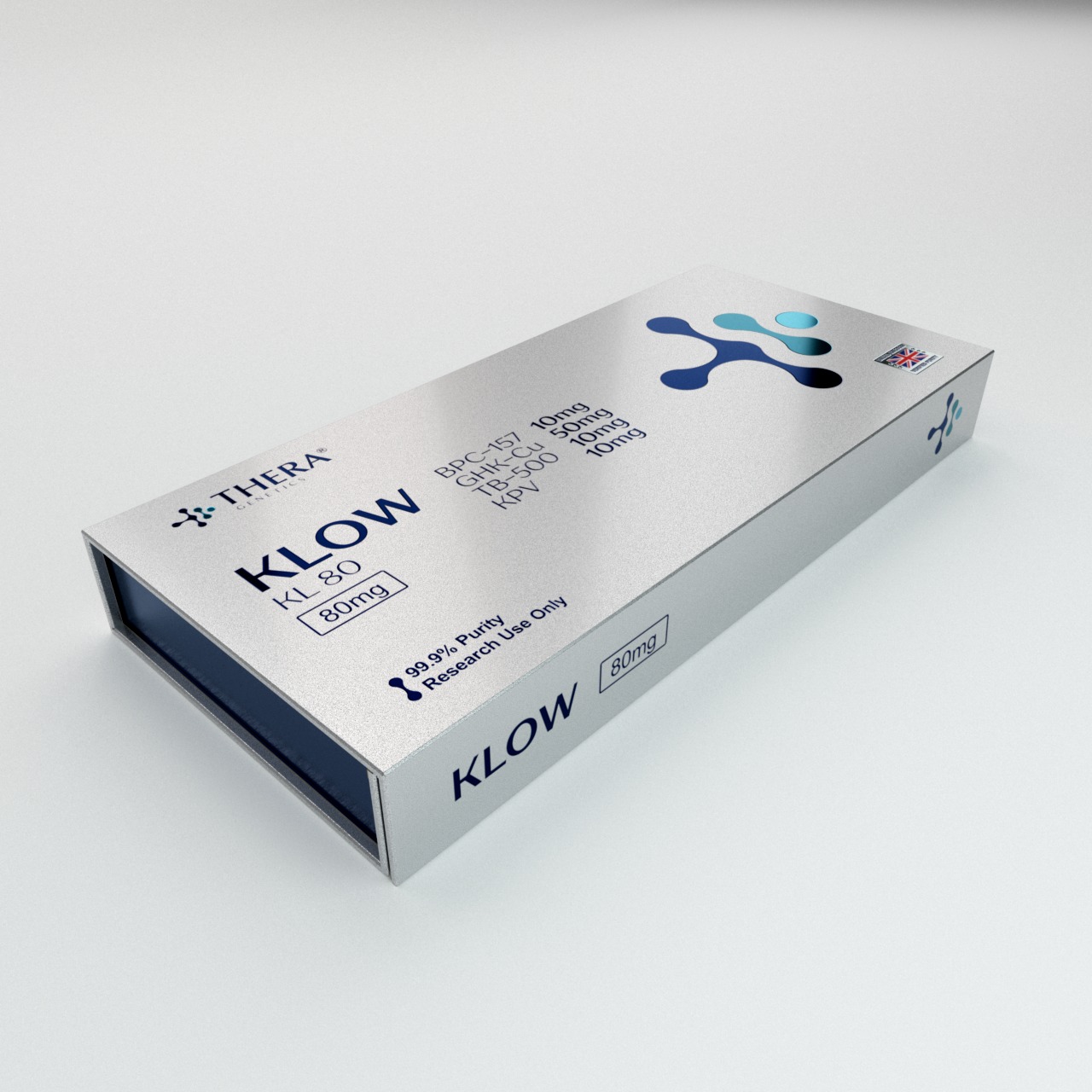
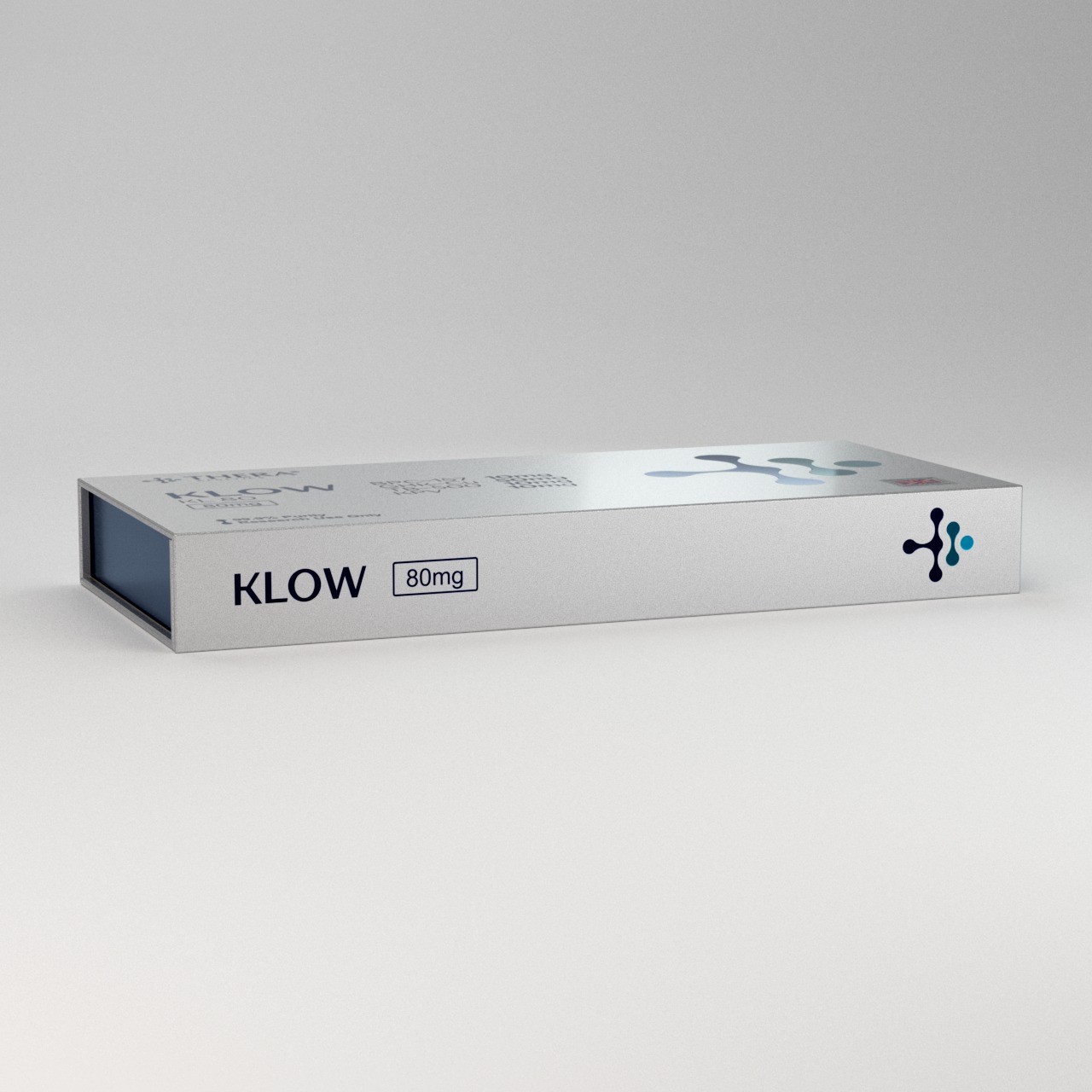
KLOW KL 80 (80MG)
KLOW is ideal for body transformation protocols because it is a bioengineered blend for systemic support, combining four peptides with complementary functions in body recomposition, recovery, and inflammatory modulation.
KPV: modulation of inflammatory pathways (inhibition of NF-κB).
BPC-157: support for repair processes and angiogenesis.
TB-500: associated with cell migration and tissue recovery.
GHK-Cu: modulation of gene expression linked to the extracellular matrix and cellular recovery.
Together, KLOW was designed to promote a more stable biological environment during phases of high metabolic demand, reducing inflammatory “noise” and supporting consistency in body recomposition.
Key Benefits
- Helps reduce inflammation that can compromise results
- Supports body recovery, including tissues and performance
- Supports gut function and absorption, which underpin process consistency
- Promotes a “cleaner” metabolic environment during recomposition
- Greater resilience and energy throughout the protocol
KLOW is ideal for body transformation protocols because it is a bioengineered blend for systemic support, combining four peptides with complementary functions in body recomposition, recovery, and inflammatory modulation.
KPV: modulation of inflammatory pathways (inhibition of NF-κB).
BPC-157: support for repair processes and angiogenesis.
TB-500: associated with cell migration and tissue recovery.
GHK-Cu: modulation of gene expression linked to the extracellular matrix and cellular recovery.
Together, KLOW was designed to promote a more stable biological environment during phases of high metabolic demand, reducing inflammatory “noise” and supporting consistency in body recomposition.
Key Benefits
– Helps reduce inflammation that can compromise results
– Supports body recovery, including tissues and performance
– Supports gut function and absorption, which underpin process consistency
– Promotes a “cleaner” metabolic environment during recomposition
– Greater resilience and energy throughout the protocol
Technical Details
Item Weight
Product Dimensions
Item model number
Item Package Quantity
Number of Handles
Batteries Required?
Related Products
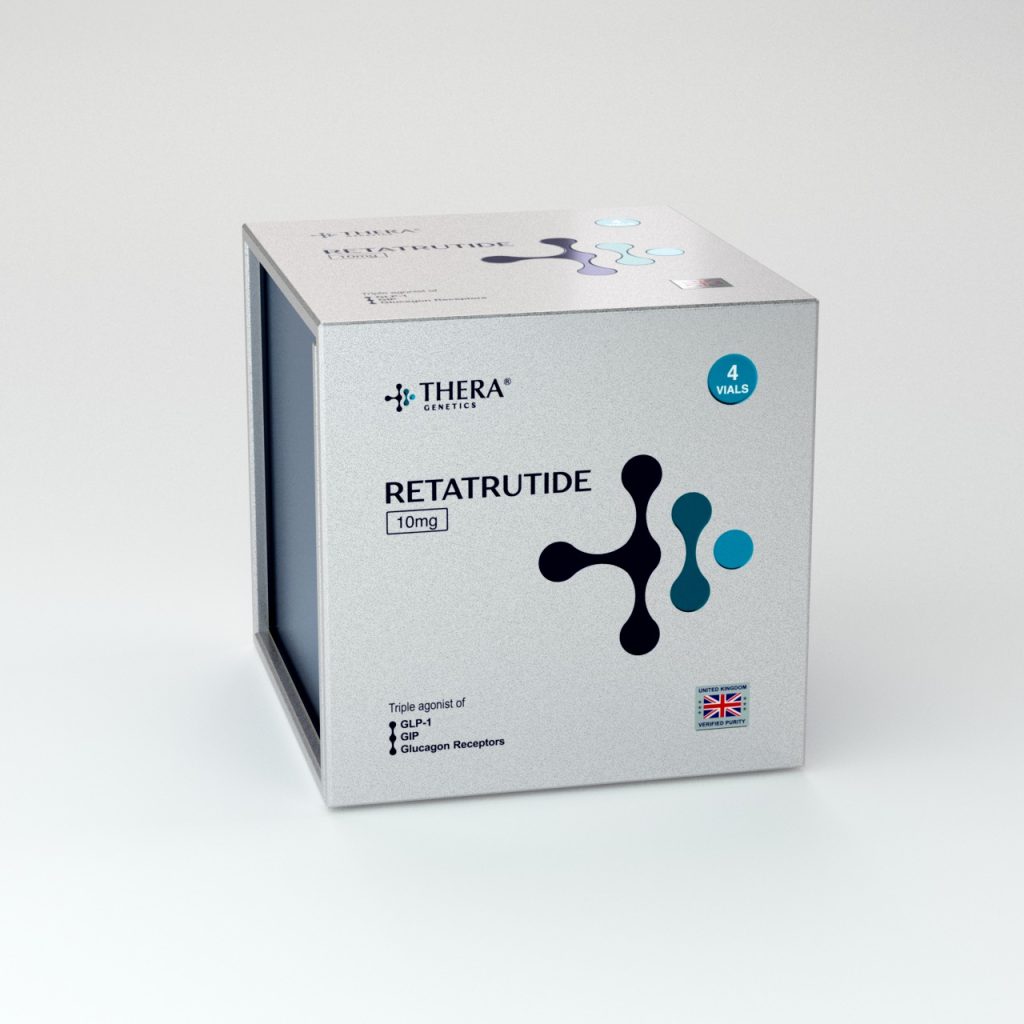
Retatrutide (4 x 10mg Vial)
Retatrutide is a triple agonist of GLP-1, GIP, and glucagon. This combination works in an integrated manner to reduce appetite and increase satiety, improve glycaemic homeostasis, and promote greater energy expenditure/thermogenesis via activity at the glucagon receptor.
This product is supplied as a pack of 4 vials, each containing 10 mg.
Key Benefits
-
Marked reduction in body weight in clinical studies, with high-impact results in obesity.
-
Improved glycaemic control and cardiometabolic markers (e.g., inflammatory lipids and blood pressure reported in readouts).
-
Reduced liver fat and improvements associated with metabolic liver disease (MASLD/MASH) in a Phase 2a study.
-
Quality of weight loss (body composition): evidence suggests a greater reduction in fat mass, without a disproportionate increase in lean mass loss, in body-composition sub-studies.
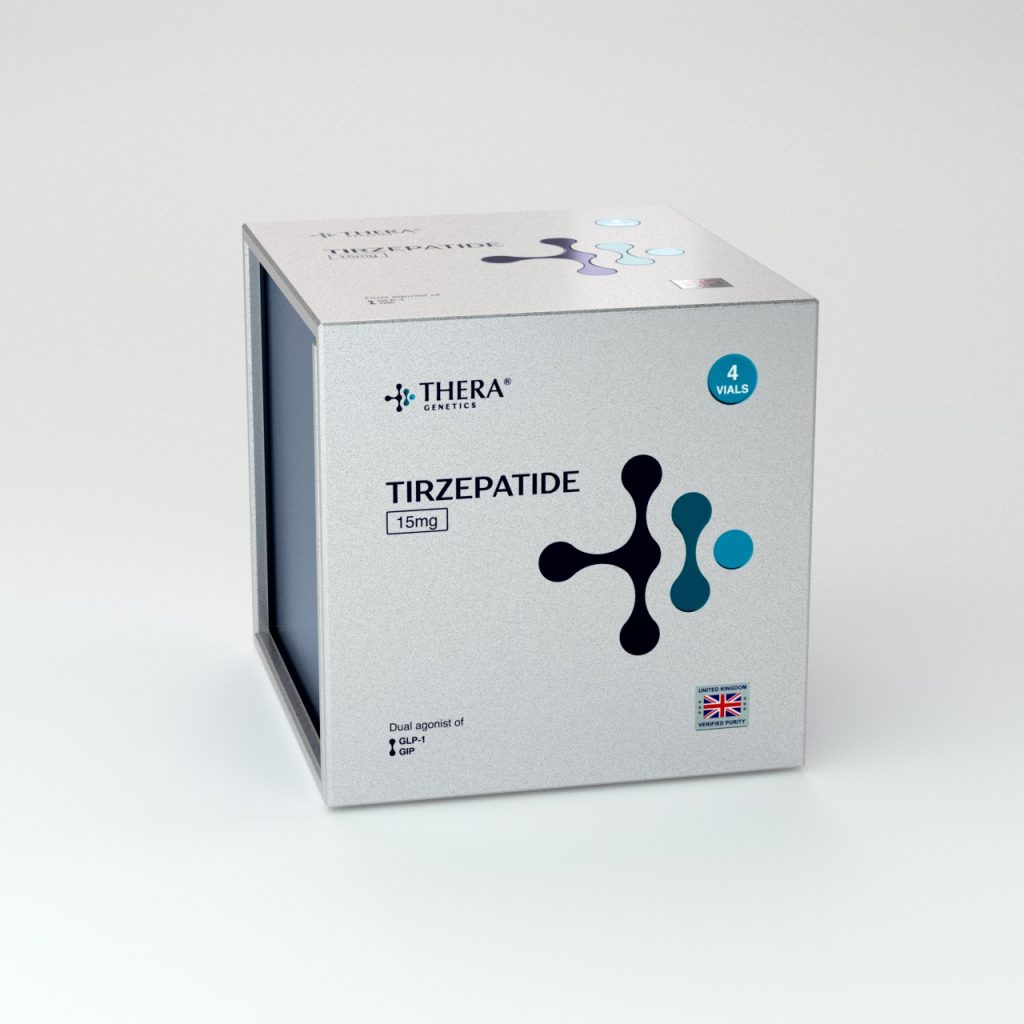
Tirzepatide (4 x 15mg Vial)
Tirzepatide is a dual agonist of GIP and GLP-1 receptors, acting in an integrated way across incretin pathways. It increases insulin secretion in a glucose-dependent manner and improves glycaemic regulation (reducing peaks and variability). It also acts on appetite/satiety centres, contributing to reduced food intake.
This product is supplied as a pack of 4 vials, each containing 15 mg.
Key Benefits
-
Significant reduction in body weight in studies involving people with obesity/overweight (results depend on dose, duration, and adherence).
-
Robust improvement in glycaemic control (HbA1c) in people with type 2 diabetes, with dose-dependent reductions observed in clinical trials.
-
Cardiometabolic improvements associated with weight loss and incretin pathway activity.
-
Maintenance of weight loss with continued treatment, demonstrating sustained outcomes when use is maintained within protocol (in maintenance trials).

Tirzepatide (60mg)
Intelligent metabolic regulation for consistent weight loss.
Tirzepatide is a dual agonist of GIP and GLP-1 receptors, acting in an integrated way across incretin pathways.It increases insulin secretion in a glucose-dependent manner and improves glycaemic regulation (reducing peaks and variability).
It acts on appetite/satiety centres, helping to reduce food intake and supporting adherence to body recomposition strategies.
Key Benefits
- Significant reduction in body weight in studies involving people with obesity/overweight (results depend on dose, duration, and adherence).
- Robust improvement in glycaemic control (HbA1c) in people with type 2 diabetes, with dose-dependent reductions observed in clinical trials.
- Cardiometabolic improvements associated with weight loss and incretin pathway activity.
- Maintenance of weight loss with continued treatment, demonstrating sustained outcomes when use is maintained within protocol (in maintenance trials).

Retatrutide (40mg)
Mechanism of Action
Retatrutide is a triple agonist of GLP-1, GIP, and glucagon receptors. This combination works in an integrated manner to reduce appetite and increase satiety, improve glycaemic homeostasis, and promote greater energy expenditure/thermogenesis via activity at the glucagon receptor.
Key Benefits
– Marked reduction in body weight in clinical studies, with high-impact results in obesity.
– Improved glycaemic control and cardiometabolic markers (e.g., inflammatory lipids and blood pressure reported in readouts).
– Reduction in liver fat and improvements associated with metabolic liver disease (MASLD/MASH) in a Phase 2a study.
– Quality of weight loss (body composition): evidence suggests a greater reduction in fat mass, without a disproportionate increase in lean mass loss, in body-composition sub-studies.
– Tolerability profile consistent with the incretin class, with gastrointestinal events most commonly reported in studies (e.g., nausea, diarrhoea, and constipation).
