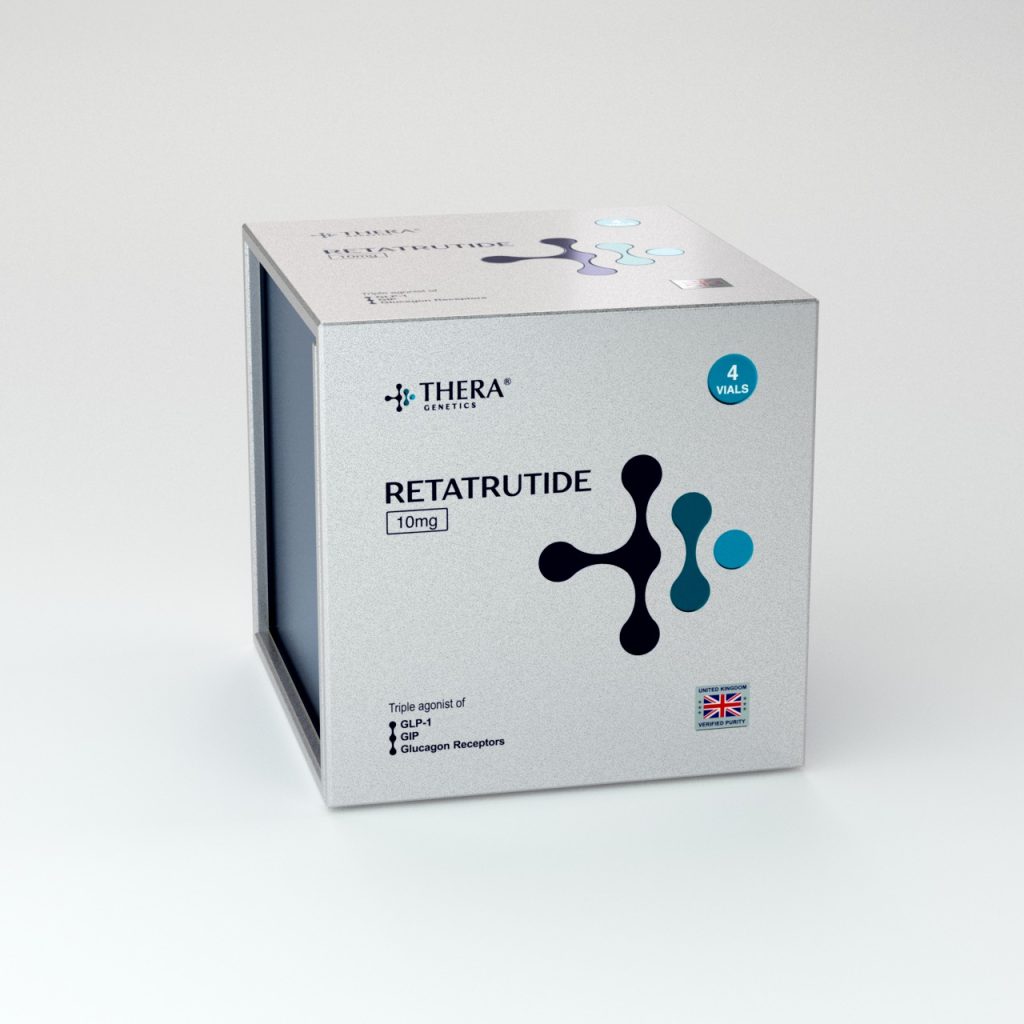
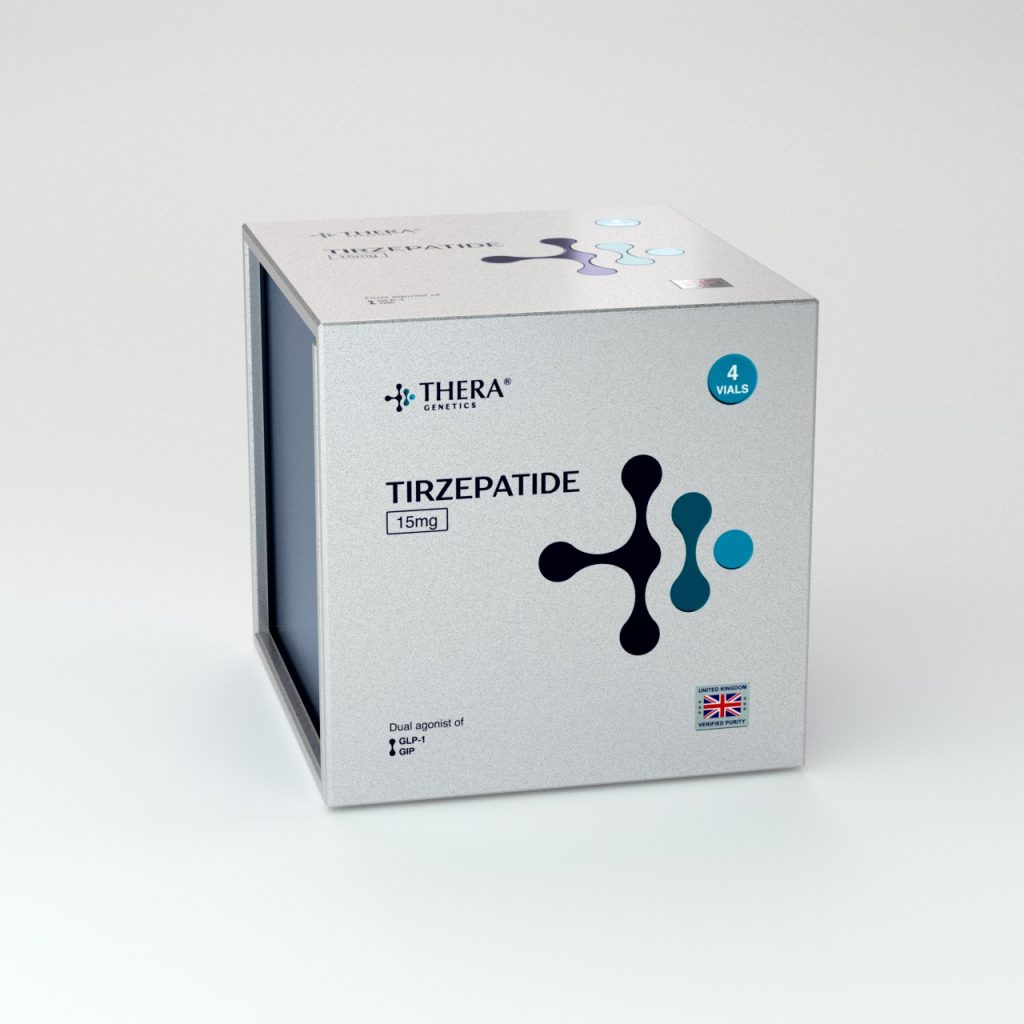
RECONSTITUTION, DOSING AND STORAGE OF PEPTIDES IN A VIAL
(General guidance – not peptide-specific)
1. INTRODUCTION
Peptides supplied in a vial (a glass vial containing lyophilised powder) are not ready for immediate use.
Before administration, it is mandatory to carry out reconstitution, which is the process of converting the lyophilised powder into a sterile liquid solution.
Correct reconstitution is essential to ensure:
Safe use
Peptide stability
Accurate dosing
Protocol effectiveness
 Incorrect preparation may result in inaccurate dosing and reduced effectiveness.
2. REQUIRED MATERIALS
Vial containing the lyophilised peptide
Bacteriostatic Water
Contains approximately 0.9% benzyl alcohol
Helps inhibit bacterial growth
Insulin syringe (100 units = 1 mL)
Sterile needle
Clean, hygienic environment
3. WHAT RECONSTITUTION IS
Reconstitution is the controlled addition of bacteriostatic water to the lyophilised powder, creating a liquid solution suitable for subcutaneous use.
4. GENERAL RULE FOR CALCULATING CONCENTRATION
Basic formula:
Amount of peptide (mg) ÷ Volume of water (mL) = Concentration (mg/mL)
This concentration is used to calculate the correct dose in the syringe.
5. CORRECT RECONSTITUTION TECHNIQUE
IMPORTANT: PEPTIDES ARE FRAGILE MOLECULES
Recommended procedure:
- Draw the desired volume of bacteriostatic water into the syringe.
- Insert the needle into the vial.
- Allow the water to run slowly down the inner wall of the vial.
- Do not direct the stream straight onto the powder.
- Do not shake the vial.
Gently roll the vial between your fingers until fully dissolved.
**Vigorous shaking may cause peptide degradation.
6. CONVERSION FOR AN INSULIN SYRINGE
1 mL = 100 units
The amount of peptide per unit depends on the final concentration after reconstitution.
Always calculate dosing based on the concentration (mg/mL).
7. STORAGE AFTER RECONSTITUTION
Keep refrigerated between 2°C and 8°C
Do not freeze
Keep the vial tightly sealed
Protect from light, especially for photosensitive peptides
8. FINAL CONSIDERATIONS
- Always follow the correct preparation technique
- Use bacteriostatic water only
- Maintain strict accuracy in dose calculations
- Use should be carried out under professional supervision