


Retatrutide (40mg)
Mechanism of Action
Retatrutide is a triple agonist of GLP-1, GIP, and glucagon receptors. This combination works in an integrated manner to reduce appetite and increase satiety, improve glycaemic homeostasis, and promote greater energy expenditure/thermogenesis via activity at the glucagon receptor.
Key Benefits
- Marked reduction in body weight in clinical studies, with high-impact results in obesity.
- Improved glycaemic control and cardiometabolic markers (e.g., inflammatory lipids and blood pressure reported in readouts).
- Reduction in liver fat and improvements associated with metabolic liver disease (MASLD/MASH) in a Phase 2a study.
- Quality of weight loss (body composition): evidence suggests a greater reduction in fat mass, without a disproportionate increase in lean mass loss, in body-composition sub-studies.
- Tolerability profile consistent with the incretin class, with gastrointestinal events most commonly reported in studies (e.g., nausea, diarrhoea, and constipation).
Mechanism of Action
Retatrutide is a triple agonist of GLP-1, GIP, and glucagon receptors. This combination works in an integrated manner to reduce appetite and increase satiety, improve glycaemic homeostasis, and promote greater energy expenditure/thermogenesis via activity at the glucagon receptor.
Key Benefits
– Marked reduction in body weight in clinical studies, with high-impact results in obesity.
– Improved glycaemic control and cardiometabolic markers (e.g., inflammatory lipids and blood pressure reported in readouts).
– Reduction in liver fat and improvements associated with metabolic liver disease (MASLD/MASH) in a Phase 2a study.
– Quality of weight loss (body composition): evidence suggests a greater reduction in fat mass, without a disproportionate increase in lean mass loss, in body-composition sub-studies.
– Tolerability profile consistent with the incretin class, with gastrointestinal events most commonly reported in studies (e.g., nausea, diarrhoea, and constipation).
Technical Details
Item Weight
Product Dimensions
Item model number
Item Package Quantity
Number of Handles
Batteries Required?
DOSING USED IN PHASE 3 STUDIES
In the most recent studies from the TRIUMPH programme (Phase 3), retatrutide was administered as follows:
-
Route: Subcutaneous
-
Frequency: Once weekly
-
Study duration: Approximately 68 weeks
Recommended Dosage (Clinical Research Escalation Model)
Retatrutide is administered once weekly using a gradual dose escalation to improve tolerability.
Dose Escalation Structure
Phase Weekly Dose
Weeks 1–4 1 mg
Weeks 5–8 2 mg
Weeks 9–12 4 mg
Maintenance (research range) 6–8 mg
Clinical trials have evaluated doses up to 12 mg once weekly with gradual titration.
Related Products
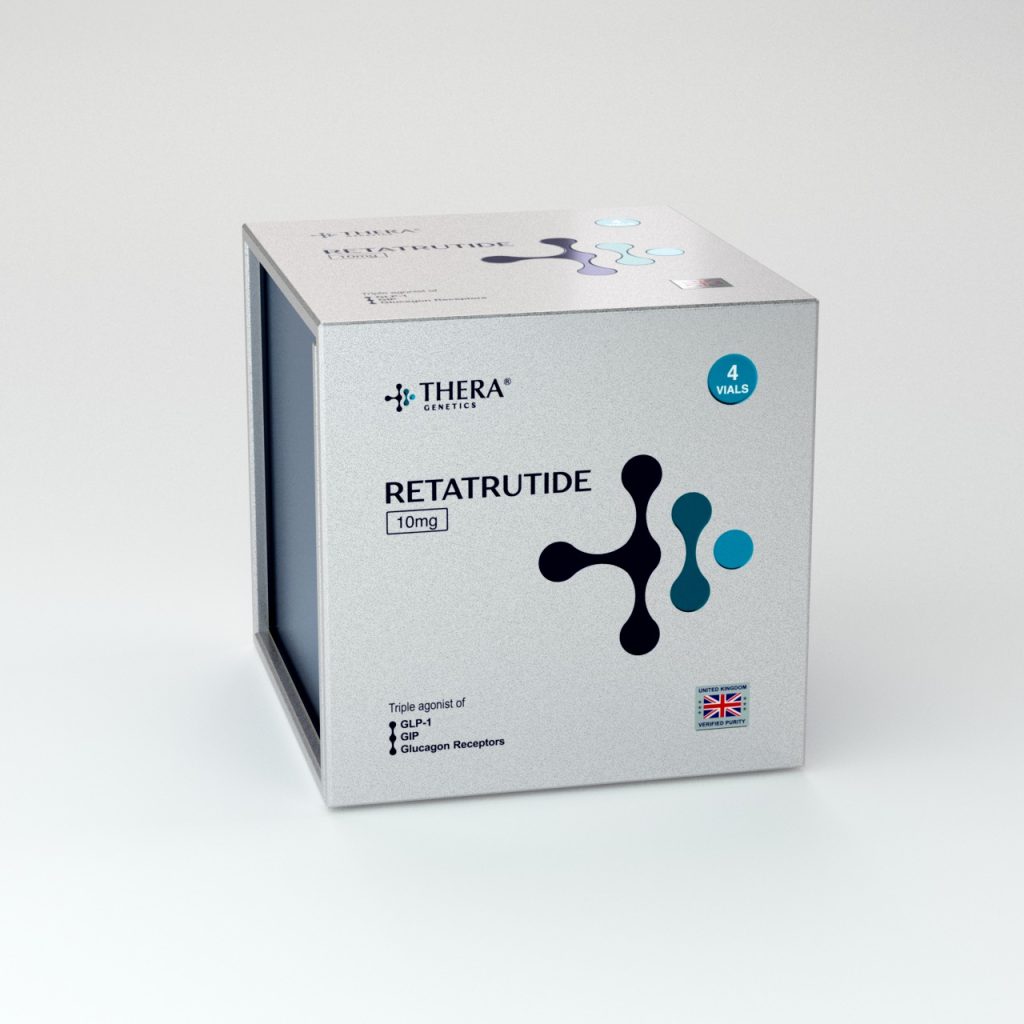
Retatrutide (4 x 10mg Vial)
Retatrutide is a triple agonist of GLP-1, GIP, and glucagon. This combination works in an integrated manner to reduce appetite and increase satiety, improve glycaemic homeostasis, and promote greater energy expenditure/thermogenesis via activity at the glucagon receptor.
This product is supplied as a pack of 4 vials, each containing 10 mg.
Key Benefits
-
Marked reduction in body weight in clinical studies, with high-impact results in obesity.
-
Improved glycaemic control and cardiometabolic markers (e.g., inflammatory lipids and blood pressure reported in readouts).
-
Reduced liver fat and improvements associated with metabolic liver disease (MASLD/MASH) in a Phase 2a study.
-
Quality of weight loss (body composition): evidence suggests a greater reduction in fat mass, without a disproportionate increase in lean mass loss, in body-composition sub-studies.
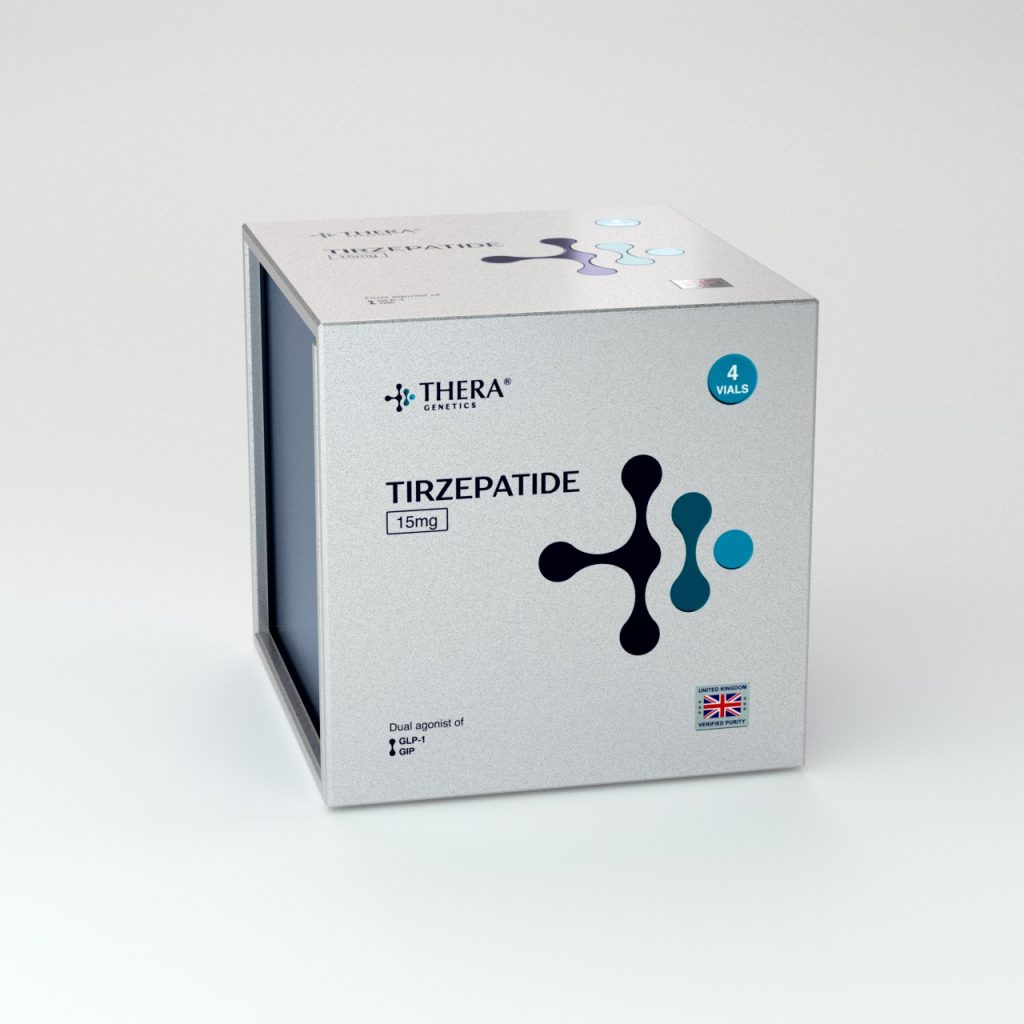
Tirzepatide (4 x 15mg Vial)
Tirzepatide is a dual agonist of GIP and GLP-1 receptors, acting in an integrated way across incretin pathways. It increases insulin secretion in a glucose-dependent manner and improves glycaemic regulation (reducing peaks and variability). It also acts on appetite/satiety centres, contributing to reduced food intake.
This product is supplied as a pack of 4 vials, each containing 15 mg.
Key Benefits
-
Significant reduction in body weight in studies involving people with obesity/overweight (results depend on dose, duration, and adherence).
-
Robust improvement in glycaemic control (HbA1c) in people with type 2 diabetes, with dose-dependent reductions observed in clinical trials.
-
Cardiometabolic improvements associated with weight loss and incretin pathway activity.
-
Maintenance of weight loss with continued treatment, demonstrating sustained outcomes when use is maintained within protocol (in maintenance trials).

Tirzepatide (60mg)
Intelligent metabolic regulation for consistent weight loss.
Tirzepatide is a dual agonist of GIP and GLP-1 receptors, acting in an integrated way across incretin pathways.It increases insulin secretion in a glucose-dependent manner and improves glycaemic regulation (reducing peaks and variability).
It acts on appetite/satiety centres, helping to reduce food intake and supporting adherence to body recomposition strategies.
Key Benefits
- Significant reduction in body weight in studies involving people with obesity/overweight (results depend on dose, duration, and adherence).
- Robust improvement in glycaemic control (HbA1c) in people with type 2 diabetes, with dose-dependent reductions observed in clinical trials.
- Cardiometabolic improvements associated with weight loss and incretin pathway activity.
- Maintenance of weight loss with continued treatment, demonstrating sustained outcomes when use is maintained within protocol (in maintenance trials).

Retatrutide (40mg)
Mechanism of Action
Retatrutide is a triple agonist of GLP-1, GIP, and glucagon receptors. This combination works in an integrated manner to reduce appetite and increase satiety, improve glycaemic homeostasis, and promote greater energy expenditure/thermogenesis via activity at the glucagon receptor.
Key Benefits
– Marked reduction in body weight in clinical studies, with high-impact results in obesity.
– Improved glycaemic control and cardiometabolic markers (e.g., inflammatory lipids and blood pressure reported in readouts).
– Reduction in liver fat and improvements associated with metabolic liver disease (MASLD/MASH) in a Phase 2a study.
– Quality of weight loss (body composition): evidence suggests a greater reduction in fat mass, without a disproportionate increase in lean mass loss, in body-composition sub-studies.
– Tolerability profile consistent with the incretin class, with gastrointestinal events most commonly reported in studies (e.g., nausea, diarrhoea, and constipation).
